
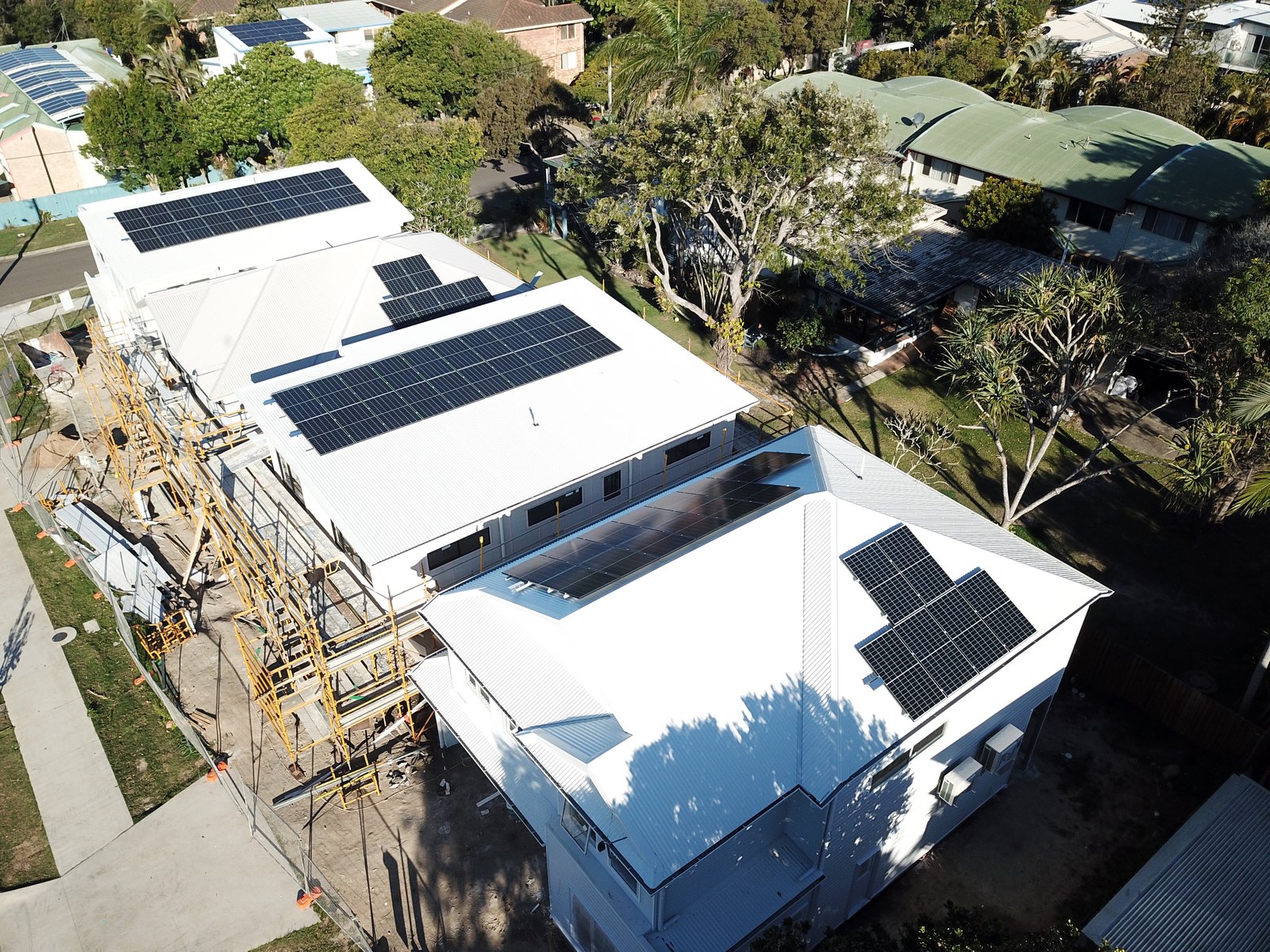
Commercial solar is most useful when the business can use the generation. Start with your load profile, tariff and site constraints before deciding how much of the roof to fill.
Look beyond the bill total
Interval data shows when the site uses electricity. It helps distinguish weekday operations, evening loads, weekend shutdowns and seasonal peaks.
A workshop, restaurant and office can use similar amounts of energy at very different times. That changes how much solar they can consume directly.
Understand the tariff
Using generated power on site can avoid buying that energy from the grid. Exported energy is valued under the retailer’s tariff and network conditions. Compare both in the model.
Where demand charges apply, the time and size of the measured peak matter. Solar may not reduce a peak that occurs outside generation hours. Storage needs its own assessment.
Include enabling work
The project budget should account for more than panels and an inverter. Early site checks help avoid surprises later.
- Roof condition and structural assessment where required
- Switchboard and distribution capacity
- Network connection and export requirements
- Access, work scheduling and shutdowns
- Monitoring, servicing and any finance costs
Test the assumptions
Ask for the expected generation, self-consumption assumptions and electricity prices used in an estimate. Consider what happens if operations or tariffs change.
For leased premises, clarify landlord consent, equipment ownership and who benefits before approving the work. A useful feasibility assessment makes these decisions visible.
Talk through your next step
Your property and priorities set the brief. Explore commercial site assessments. Or request a free quote to discuss the work with our team.