Home / Residential / Solar maintenance & repairs
Residential / Solar & energy
Solar maintenance & repairs
Keep an eye on the system working above you. We inspect solar equipment, investigate faults and help you understand changes in performance.
Local electricians · Clear advice · Ongoing support
Why it matters more than people think
A solar array can generate up to 1000 volts DC. That is a serious amount of energy sitting in cabling and connectors exposed to weather, heat and UV for a decade or more. Coupled with a loose or corroded connection, it can easily cause a fire.
Storm season on the coast makes this worse. Wind moves panels and racking, water finds its way into isolators, and fasteners work loose. After any major storm it is worth having connections and fasteners checked, which is both the racking manufacturer’s recommendation and part of a proper annual service.
Dirty panels cost real output. Accumulated dust, salt, pollen and bird mess can cost a reduction in performance. On the coast, salt film builds up faster than most people expect.
What our annual service includes
- An electrical safety check on all components, including an electrical characteristics test, with all DC isolators opened and inspected for connection integrity and water ingress.
- The inverter checked for correct operation, with any air filters cleaned.
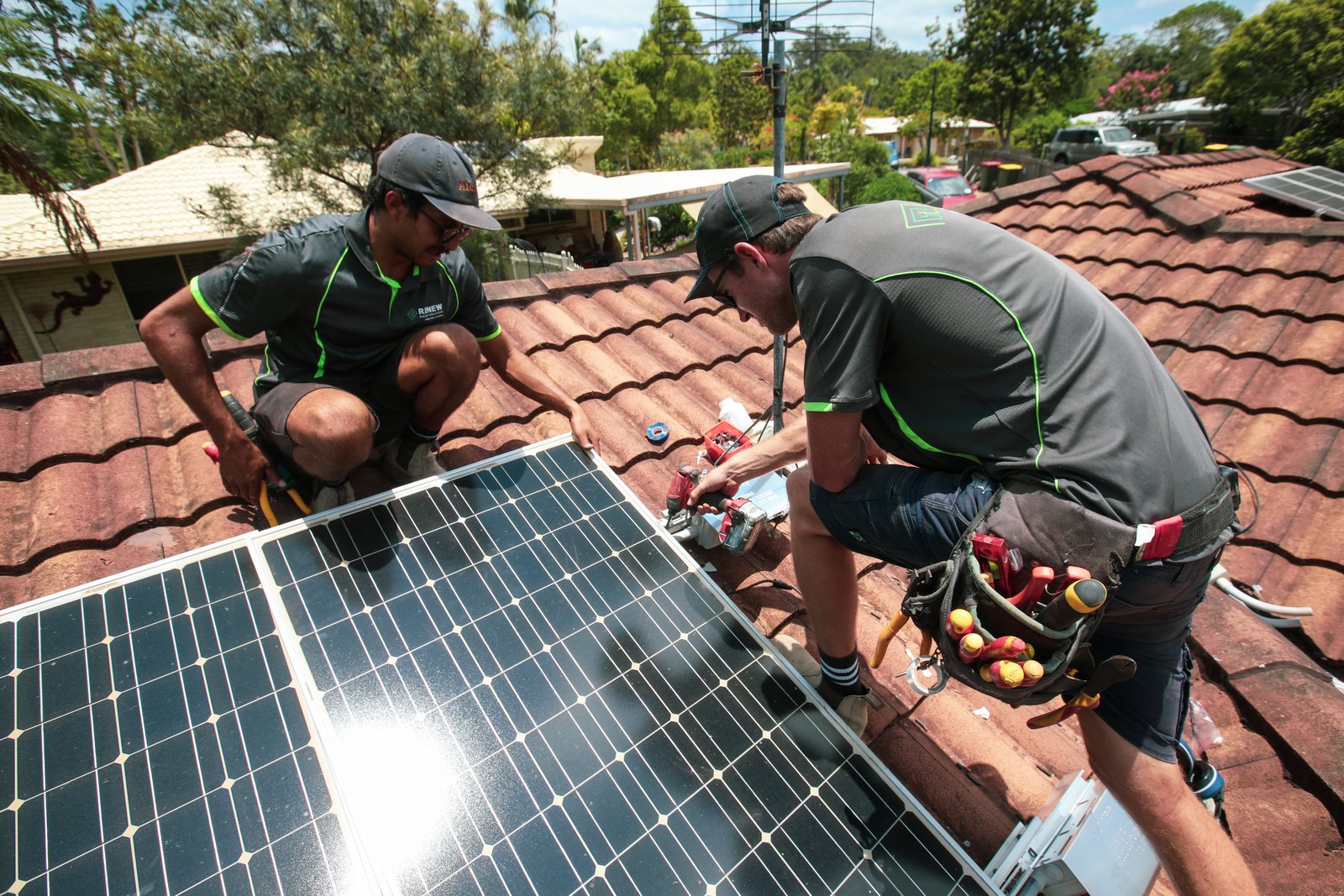
- A check of the racking system to make sure nothing has worked loose.
- A physical check of all cables and wiring, including fasteners and connections.
- Panel cleaning, and inspection of the panel backing for destabilisation such as yellowing, which signals panel breakdown and a fire risk.
- Any minor issues fixed on the spot.
- A full Solar Maintenance Report at the end, noting adjustments made and anything needing further attention.
- A full insurance report if you need one for a claim.
The service is based on the recommendations in Australian Standard AS/NZS 5033, and it is what keeps the system generating what it should.
Repairs and fault finding
If your system has stopped producing, is producing less than it used to, or the inverter is showing a fault code, we diagnose it rather than replacing parts hopefully. Common culprits are failed DC isolators, water ingress, a failing inverter, a shaded or damaged panel dragging a string down, and communications dropouts that make a healthy system look dead in the app.
Where an inverter is genuinely at end of life, replacing it is often a good moment to consider upgrading or expanding the system or adding battery storage.
Good to know
Your questions, answered.
How often should my system be serviced?
Annually for most systems, plus a check after any major storm. If your array is coastal and exposed to salt, annual is the minimum.
My app says the system is fine. Do I still need a service?
Monitoring tells you about output. It cannot see a corroded connector, water in an isolator, a loose fastener or a panel beginning to delaminate. Those are the things that cause fires.
Can you service a system you did not install?
Yes. We service and repair systems regardless of who installed them.
Should I clean the panels myself?
We would rather you did not. Roof work is genuinely dangerous, and walking on panels can cause micro-cracks that show up later as lost output.
Let’s talk about your project.
Tell us your suburb, priorities and the work you have in mind. We’ll help you take the next step.