
Home / Commercial / Feasibility / site assessment
Commercial / Solar & energy
Feasibility / site assessment
Make the decision with a clearer picture. We review the site, electricity use and project constraints before recommending a solar or storage design.
Local electricians · Clear advice · Ongoing support
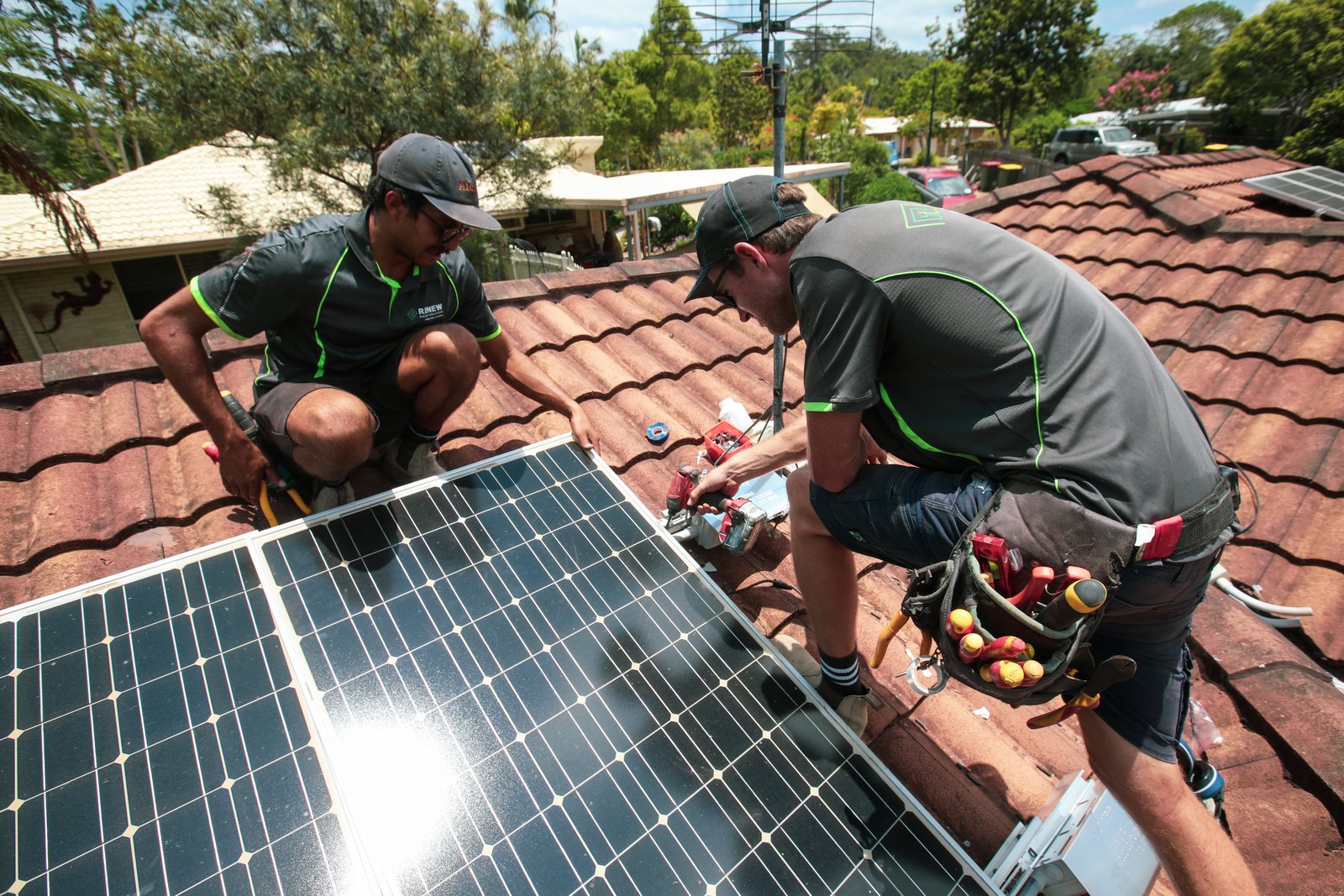
It starts with interval data
Your retailer can provide interval data, usually in 15 or 30 minute increments, showing exactly when you consume power rather than only how much. This is the single most useful input into a commercial design.
It shows the shape of your load: when you start, when you peak, whether the peak is sustained or a short spike, what happens on weekends, and how it changes seasonally. A system designed against that data is sized to your actual operation. A system sized off a bill total is guesswork.
What the assessment covers
- Load profile analysis from interval data, including how much of your consumption falls within generating hours.
- Roof assessment: available area, orientation, pitch, sheeting type, age and condition, and penetrations.
- Structural capacity, because an array adds load and older buildings need checking rather than assuming.
- Shading analysis across the day and across the seasons, including plant, parapets and neighbouring buildings.
- Network constraints and export limits, which can cap system size regardless of roof area.
- Tariff analysis, including whether demand charges apply and when your peak actually occurs.
- Switchboard and supply capacity, and whether connection requires board work.
What you get back
- A recommended system sizeBased on self-consumption rather than on filling the roof, with the reasoning shown.
- A production estimateModelled for your roof, orientation and shading, not a generic figure per kilowatt.
- The financial caseExpected bill impact, including the effect on demand charges where relevant, and an indicative payback.
- Constraints and risksAnything that could change the outcome, from export limits to remedial roof work, stated up front rather than discovered later.
Export limits catch people out. Distributors set limits on how much a site may export, and on some networks that constraint decides the system size before the roof does. It is one of the first things we check.
Where it leads
A feasibility study is the sensible front end to commercial solar, and it is essential before battery storage, where sizing depends entirely on load shape. It also frequently identifies switchboard or supply work that needs to happen first.
Good to know
Your questions, answered.
How do we get our interval data?
Request it from your electricity retailer. It is your data and they are required to provide it. We can tell you exactly what to ask for.
What if the numbers do not stack up?
Then we tell you that. A study that says do not proceed has saved you considerably more than it cost.
Do we need a structural engineer?
Sometimes, particularly on older buildings or where the roof is at its limits. We will tell you if it is warranted rather than assuming either way.
How long does an assessment take?
It depends on the site and how quickly the interval data arrives, which is usually the long pole.
Let’s talk about your project.
Tell us your suburb, priorities and the work you have in mind. We’ll help you take the next step.