Home / Commercial / Solar maintenance
Commercial / Solar & energy
Solar maintenance
Look after the asset on your roof. We help commercial sites investigate underperformance and plan solar servicing around safe access and operations.
Local electricians · Clear advice · Ongoing support
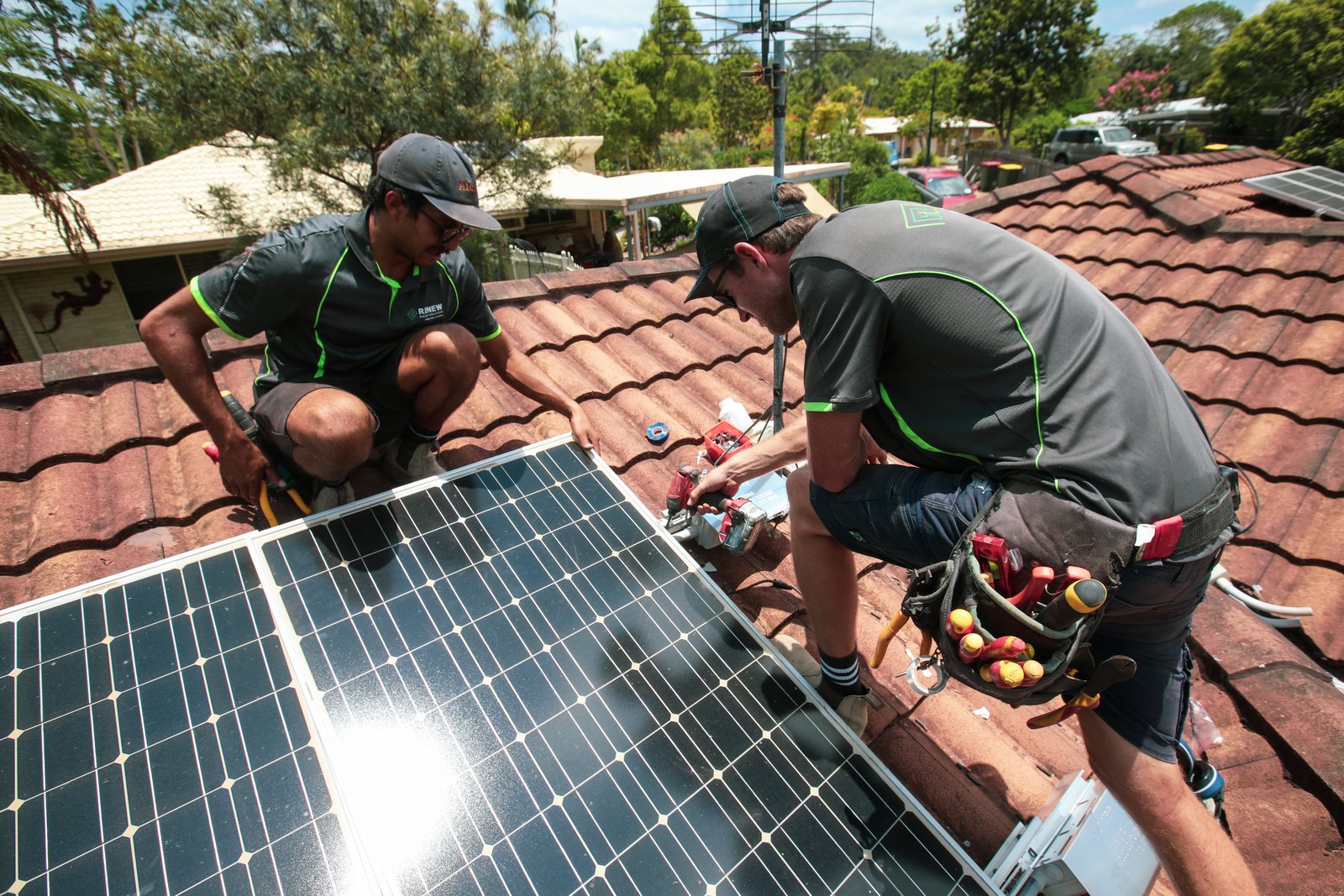
Underperformance is expensive and invisible
On a house, a string dropping out is an annoyance. On a large commercial array it can be thousands of dollars a year, and it can run for months unnoticed because total output still looks broadly plausible. The bigger the system, the more a small percentage matters and the harder it is to spot by eye.
Dirt costs output. Accumulated dust, salt and bird mess can cost a reduction in performance. On industrial roofs near the coast, or anywhere with nearby traffic or agriculture, soiling builds faster than most operators expect.
What a commercial service covers
- Electrical safety checks across all components, including opening and inspecting DC isolators for connection integrity and water ingress.
- Inverter inspection across the fleet, including correct operation and cleaning air filters.
- Racking and mounting checks, particularly after storms, to confirm nothing has worked loose.
- Physical inspection of cabling, fasteners and connections across the array.
- Panel cleaning, and inspection of panel backing for destabilisation such as yellowing, which signals breakdown and fire risk.
- String-level output comparison, so an underperforming string is identified rather than averaged away.
- Minor issues fixed on the spot.
- A full written maintenance report, and an insurance report where you need one.
Monitoring and alerting
The most valuable thing on a commercial system is monitoring that tells someone when output deviates from expectation, rather than a dashboard nobody opens. We set up monitoring so faults surface as alerts, and we can watch it for you as part of a maintenance agreement.
String-level monitoring is worth the extra on larger arrays for exactly this reason. Site-level data hides a dead string inside normal variation. String-level data does not.
Safety and compliance
An array can generate up to 1000 volts DC. That is significant stored energy sitting in cabling and connectors exposed to weather and UV for years, and loose connections are a genuine fire risk. Servicing is based on the recommendations in Australian Standard AS/NZS 5033, and the documentation matters for insurance as much as for performance.
After any major storm it is worth having connections and fasteners checked, which is both the racking manufacturer’s recommendation and part of an annual service.
Good to know
Your questions, answered.
How often should a commercial array be serviced?
Annually as a baseline, plus a check after major storms. Larger arrays and harsher environments, particularly coastal and industrial, often warrant more frequent attention.
Can you service a system you did not install?
Yes. We service and repair commercial systems regardless of who installed them.
How do we know if our system is underperforming?
Compare output against expectation for the season, not against last month. If you do not have that baseline, establishing one is part of the first service.
Can this run alongside our electrical maintenance?
Yes, and it usually should. See fault finding and maintenance.
Let’s talk about your project.
Tell us your suburb, priorities and the work you have in mind. We’ll help you take the next step.