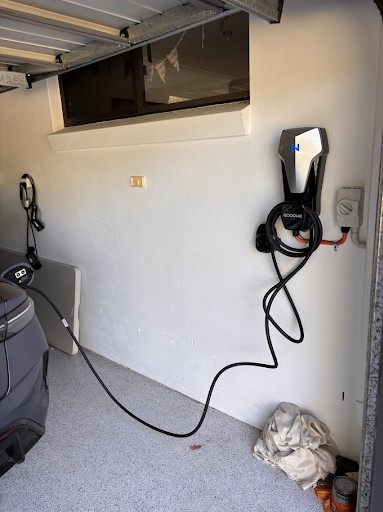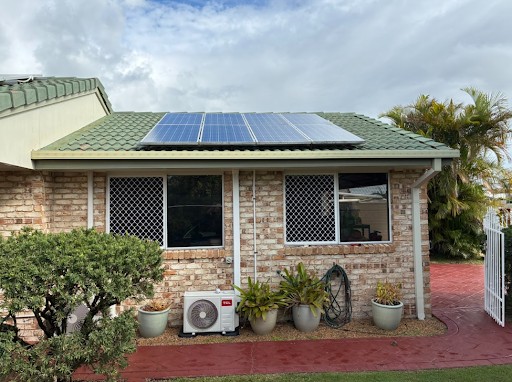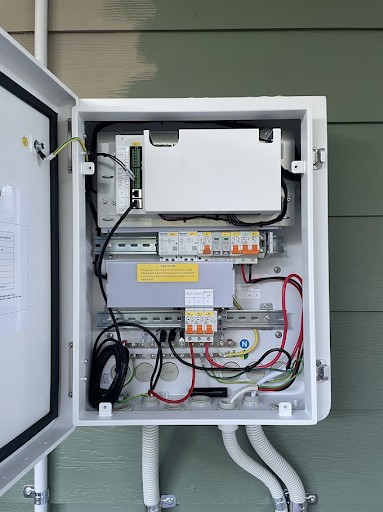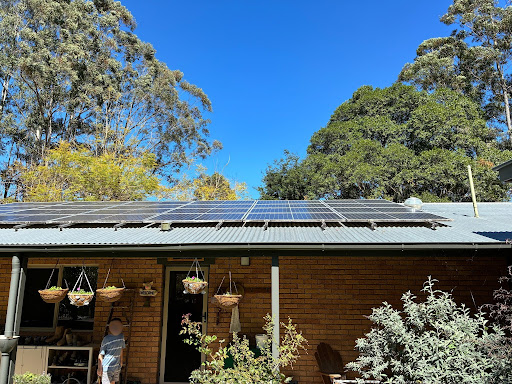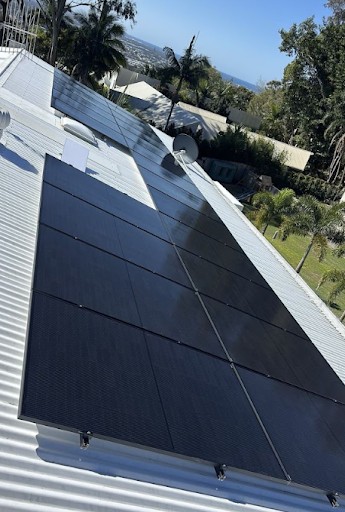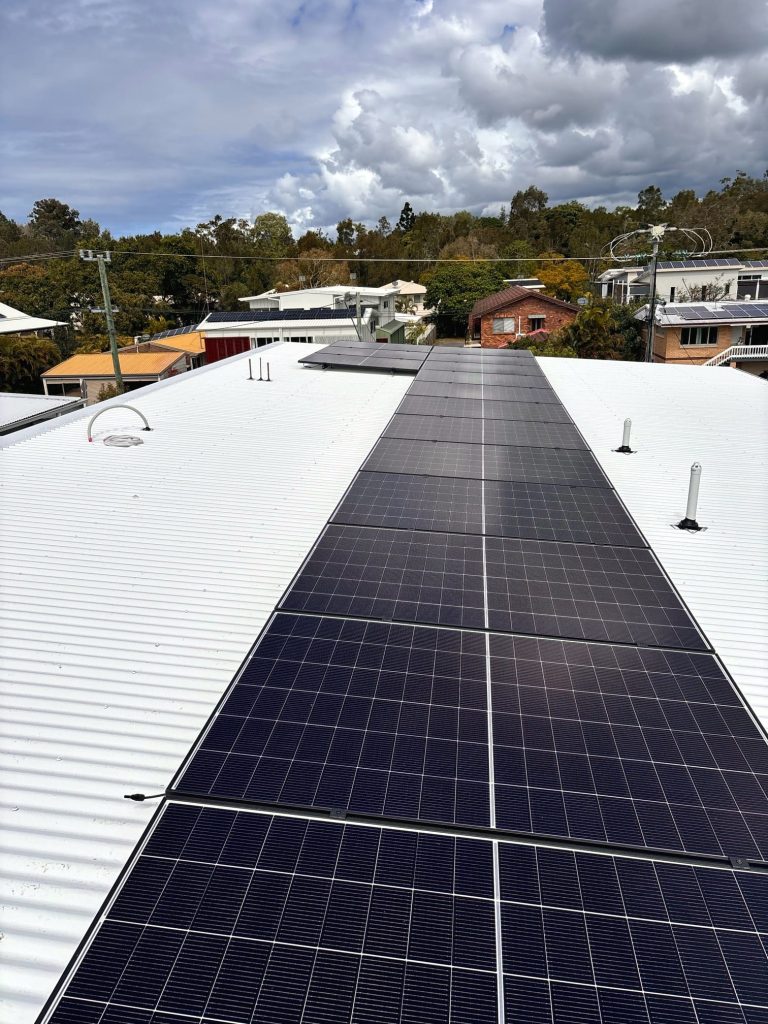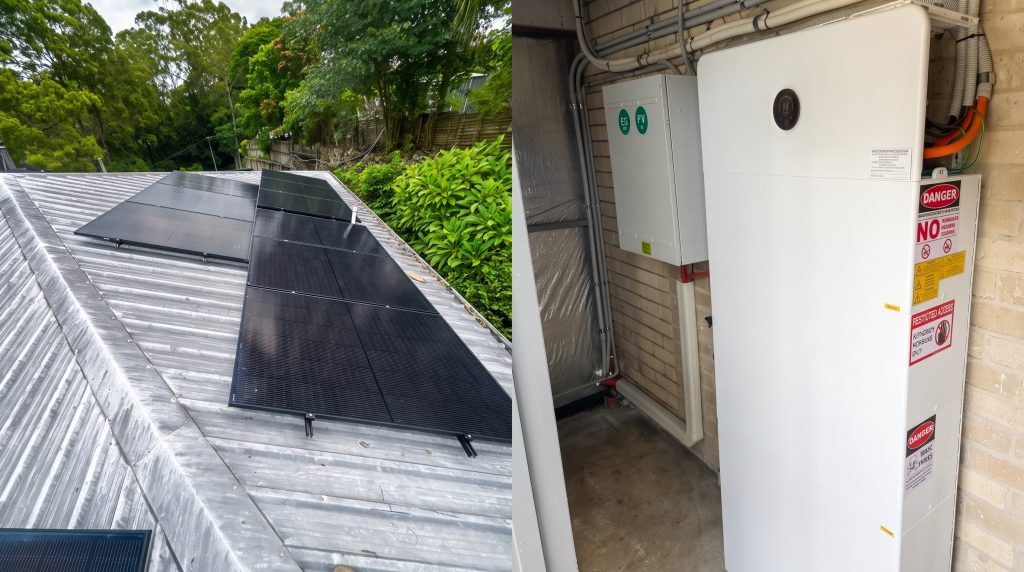
Renew Energy Solutions installed a 10.2 kW Jinko solar array, a 10 kW GoodWe inverter, and 32 kWh of GoodWe battery storage at this Ridgewood bee farm. This bee farm solar battery system had an extra job: keep the equipment away from the bees, so our team built a standalone hub from scratch.
The project at a glance
Location: Ridgewood, Sunshine Coast Hinterland QLD
Project type: Rural residential solar and battery system on an operating bee farm
Solar: 20 Jinko 510 W Tier 1 mono panels, 10.2 kW total
Inverter: 10 kW GoodWe ESA battery inverter
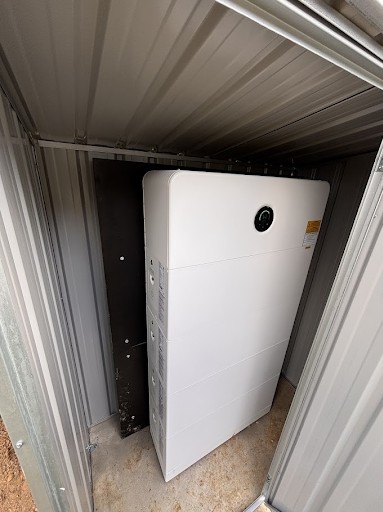
Battery: GoodWe battery stack, 32 kWh total
Energy management: GoodWe smart meter
Other works: Concrete slab, equipment shed, battery support brackets and underground cabling to the residence
The brief
The homeowner wanted enough solar and battery storage to run the house properly. The property is a working bee farm, though, so where the equipment went mattered as much as what the equipment was.
Batteries and inverters need a protected spot with room around them. Bees need space to do their work. Putting them side by side wouldn’t work for either. The battery and inverter had to sit well away from the bee activity and still supply the home, which meant the equipment needed its own location, and that location did not exist yet. The one firm rule was that the hub had to sit away from both the house and the bee activity, so we planned the hub’s position first and worked out the route back to the residence from there.
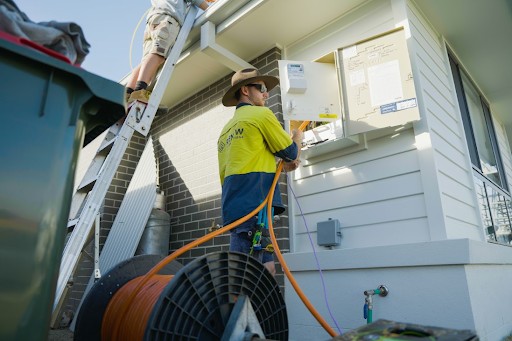
The job also meant working on a live site. Our electricians would be around active bees for the duration, so we had to plan the work stage by stage rather than approach it like a normal day on a normal roof.
What we did
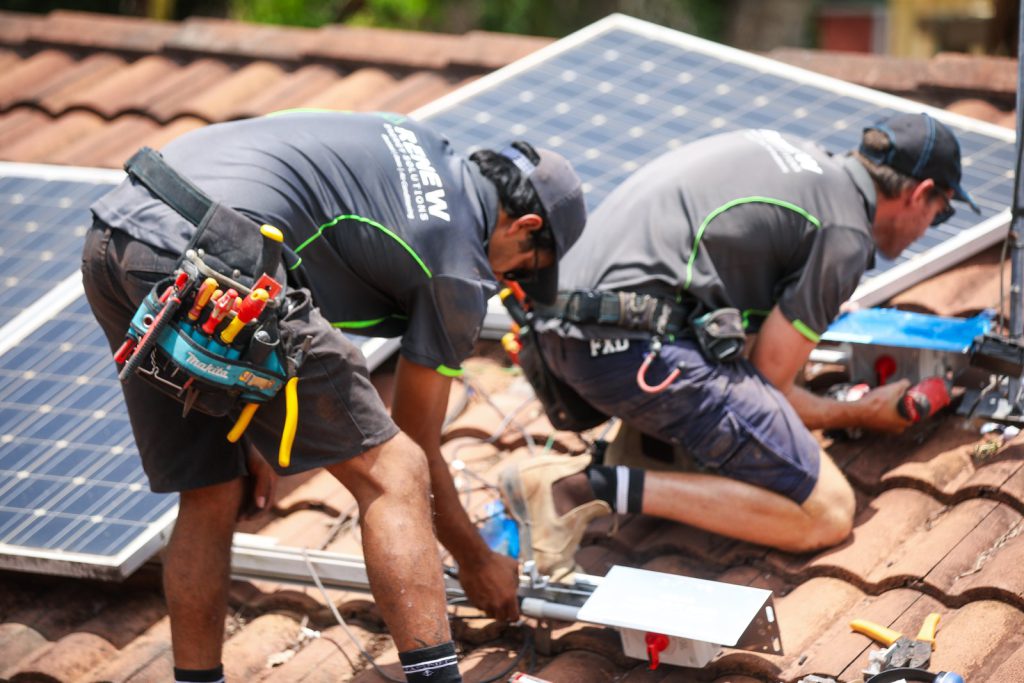
We installed 20 Jinko 510 W Tier 1 mono panels, which gave a 10.2 kW rooftop array. You can read more about the panels on the Jinko Solar website, and the other brands we install are listed on our products we support page.
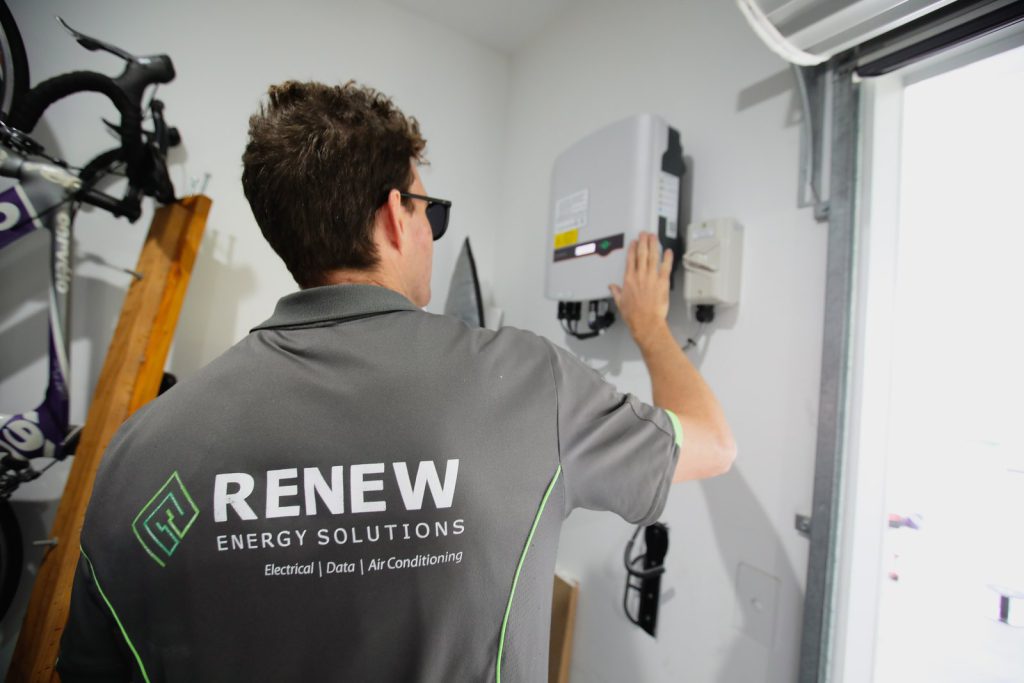
For storage and power conversion, we fitted a 10 kW GoodWe ESA battery inverter and a 32 kWh GoodWe battery stack, with a GoodWe smart meter handling energy management. Specifications for the range are available from GoodWe.
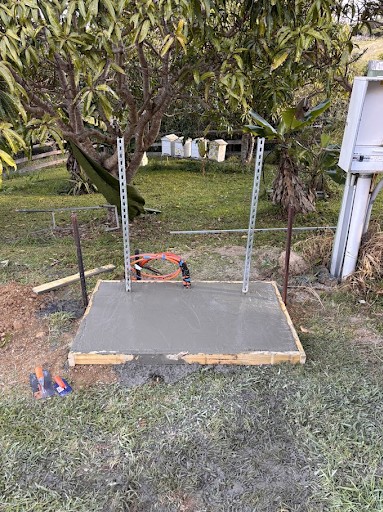
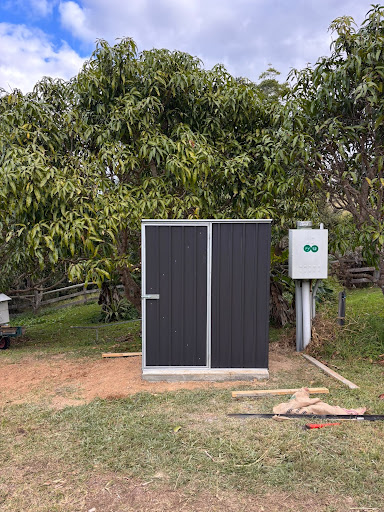
What set this job apart was everything around the equipment. Our team prepared and poured a concrete slab away from the house and the bee activity. We then installed a small protective shed to house the system and fitted battery stability and support brackets so the stack sits securely. Finally, we ran the required cabling underground from the hub back to the residence and completed the associated electrical works.
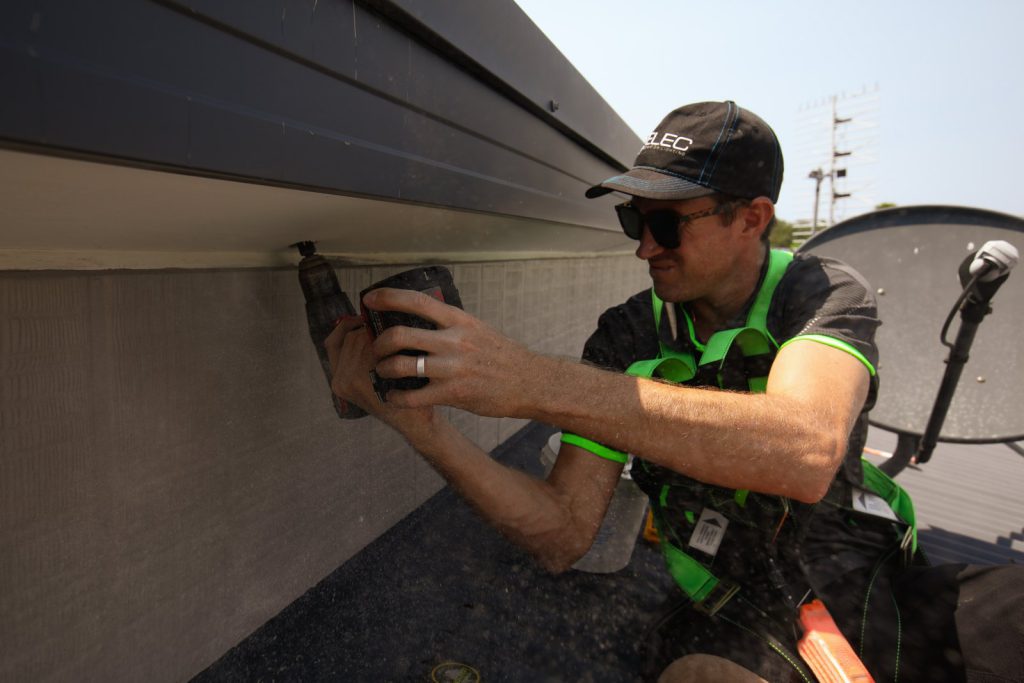
We planned each stage before we started. Our electricians worked in protective gear around the active bees, and the sequence ran from the slab and shed through to fitting the equipment and burying the cable back to the house. Keeping the stages short and clear meant the crew knew what was next, and the farm could carry on with minimal disruption.
The homeowner had one contact for the whole job, covering civil, electrical, and solar panel installation. There was no back-and-forth between trades and no gaps in the schedule. ‘We just needed to know it was sorted and wouldn’t interfere with the bees,’ she said. It was. Renew Energy Solutions handled everything from the slab pour to the underground cable run.
The outcome
The finished bee farm solar battery system is a neat, protected setup that suits the rural site without getting in the way of the bees.
The homeowner ended up with a complete 10.2 kW solar, 10 kW inverter and 32 kWh battery system, with the main equipment well away from the bees.
For the homeowner, the key benefit was getting a large system without compromising on where the bees and the equipment belong. The building, electrical, and solar work was all one job, so the homeowner didn’t need to organise a builder, an electrician and a solar installer separately.
Why the standalone hub mattered
Most battery installs go in a garage, on a side wall or in a spot close to the switchboard. That works for a lot of homes. Here, the nearest convenient spot was also too close to the bees, so the design had to change.
A standalone hub solved it. Moving the equipment to its own slab and shed kept it separate from the bee areas, and burying the cable back to the house kept the run protected and out of the way on a working property. It also gave the equipment a proper, stable home built for it, instead of squeezing it into whatever space was left over.
The lesson from Ridgewood is that a good design starts with the site. Panels and batteries are the easy part to specify. Working out where they can sit safely, and what needs to be built to make that happen, is where on-site experience counts.
Frequently asked questions
Can a battery and inverter be installed away from the house?
Yes, in many cases. It usually means a dedicated slab or base, a weatherproof enclosure, and a cable run back to the home. The right setup depends on the site and the equipment, and an electrician should assess it before anything is built.
Why would you build a separate shed for the equipment?
At Ridgewood, it kept the battery and inverter well away from the active bee areas while still supplying the house. On other properties, the reasons might be space, heat, distance from the house, or simply keeping the equipment tidy and protected.
What does 32 kWh of battery storage mean?
Kilowatt-hours (kWh) measure stored energy. Kilowatts (kW) measure how quickly power is used or delivered. This system has 32 kWh of GoodWe battery storage, paired with a 10 kW inverter.
Why is there a 10.2 kW array and a 10 kW inverter?
The array rating is the combined capacity of the 20 panels. The inverter rating is its power output. Those figures can differ, and the system still has to meet the equipment and network limits.
How do you install solar safely on a working bee farm?
It takes planning before anyone starts work. Our electricians wore appropriate protective gear, mapped out each stage of the job, and kept the main equipment well away from bee activity.
Will the battery keep the house running in a blackout?
That depends on the inverter, backup wiring, system settings, and which circuits are connected. Ask what backup is included in the proposed design rather than relying on battery capacity alone.
Will solar and battery storage reduce power bills?
They can reduce grid electricity purchases when the system suits the home’s usage. Actual savings depend on electricity use, tariffs, and how you operate the battery.
Planning a similar upgrade?
Every property is different, so we start with the site you have and the system you want. Whether you need solar, battery storage, a standalone equipment hub or all three, Renew Energy Solutions can plan the electrical work and installation together. Tell us about your block through our contact page, and we will let you know what is realistic.