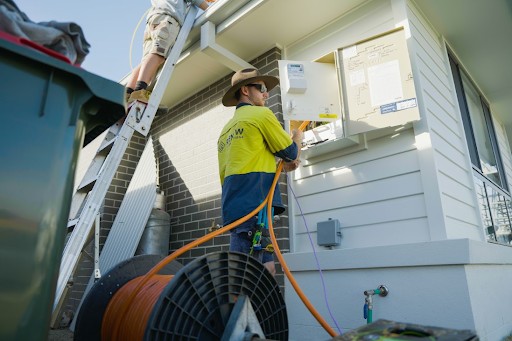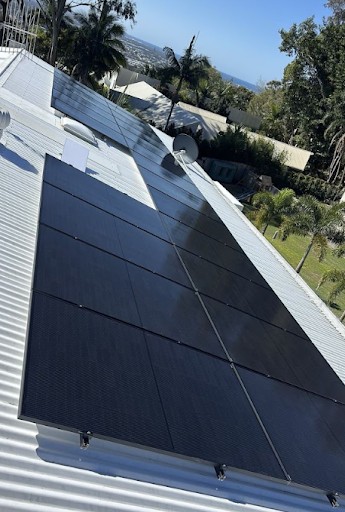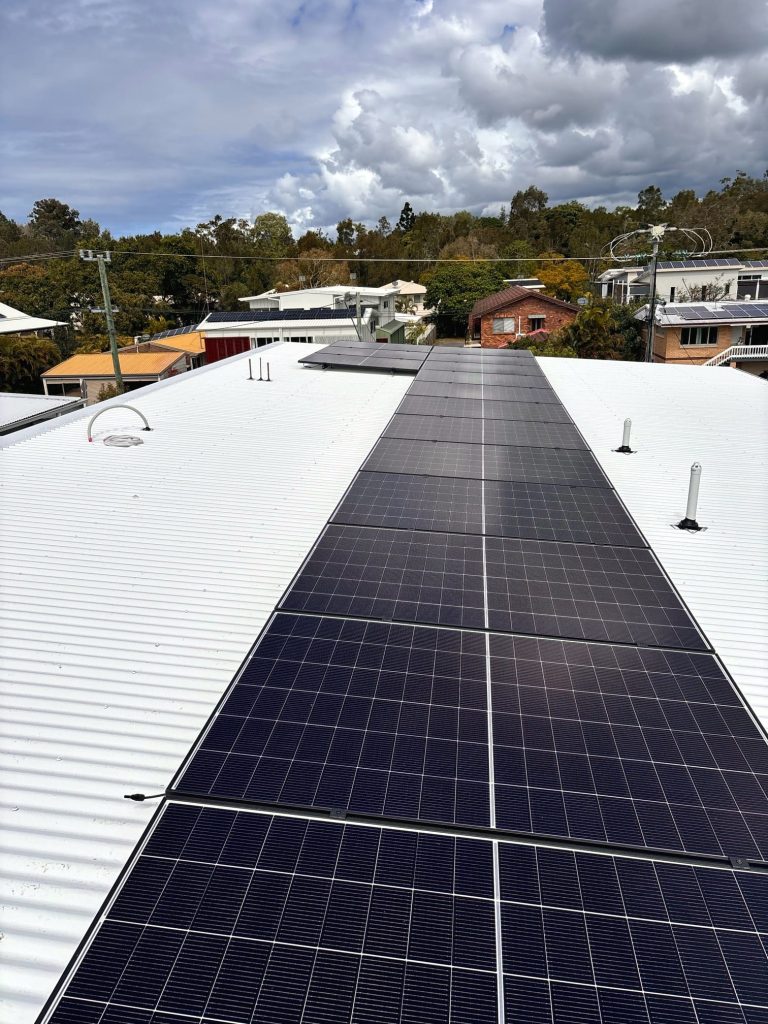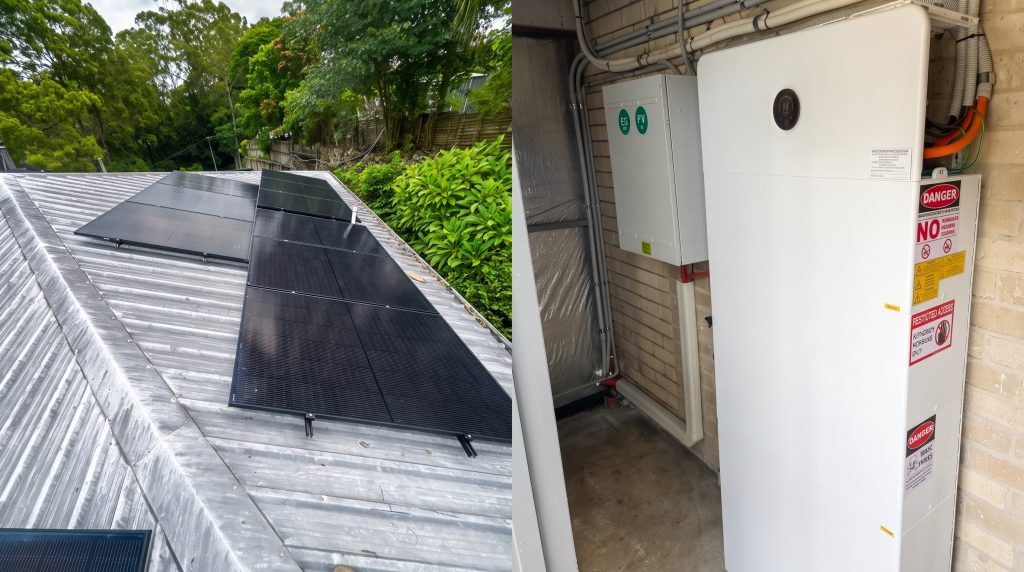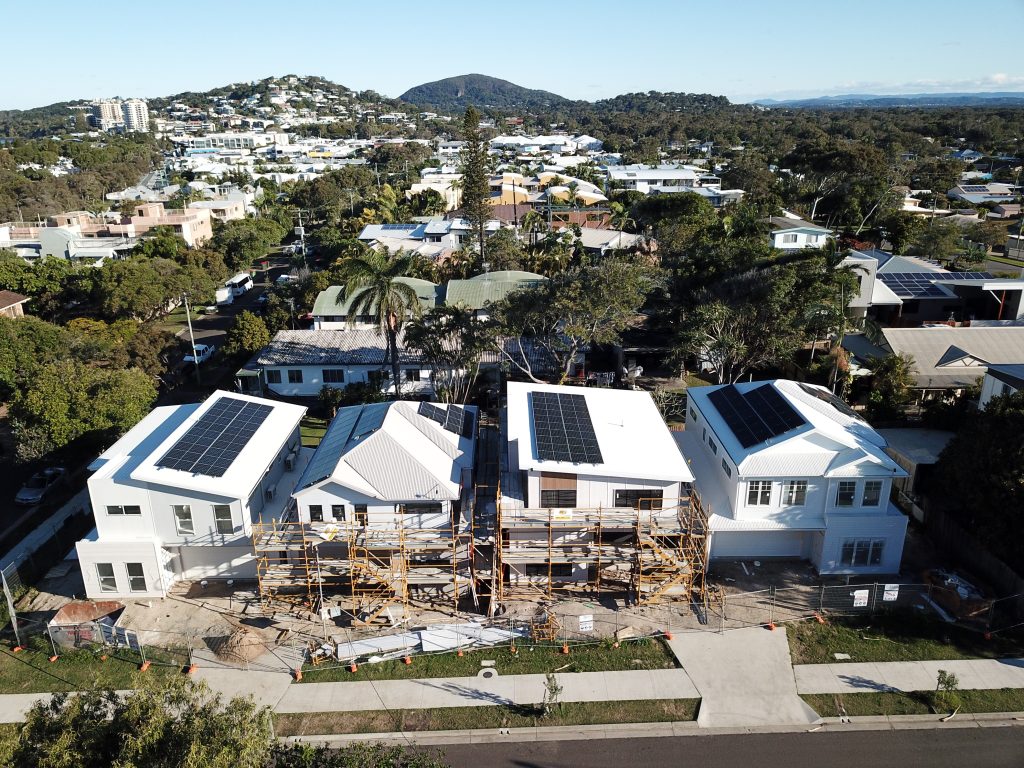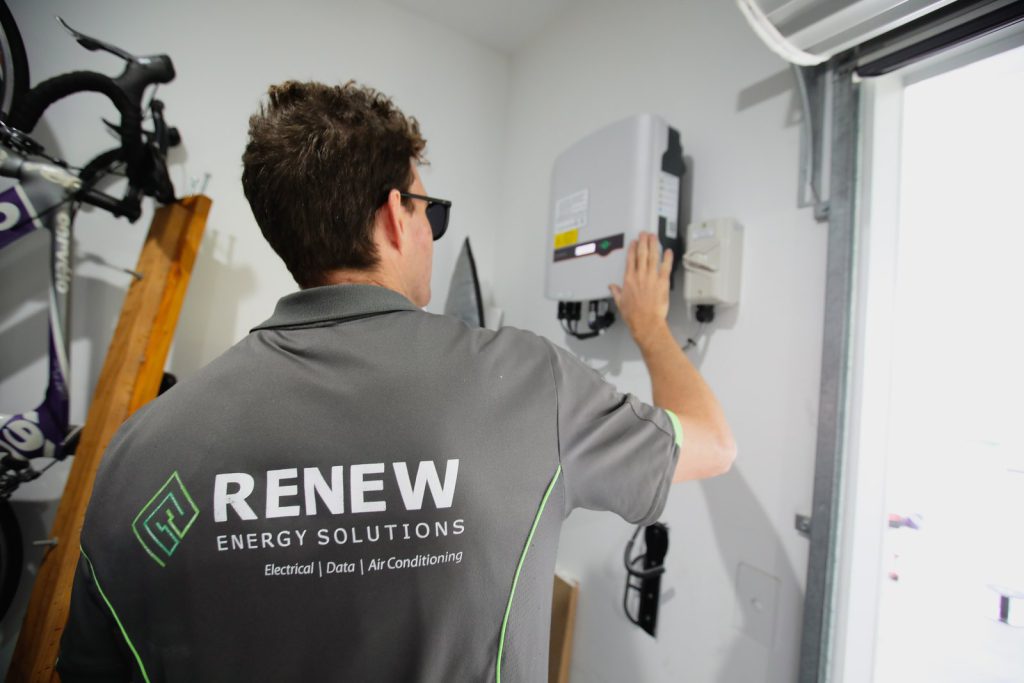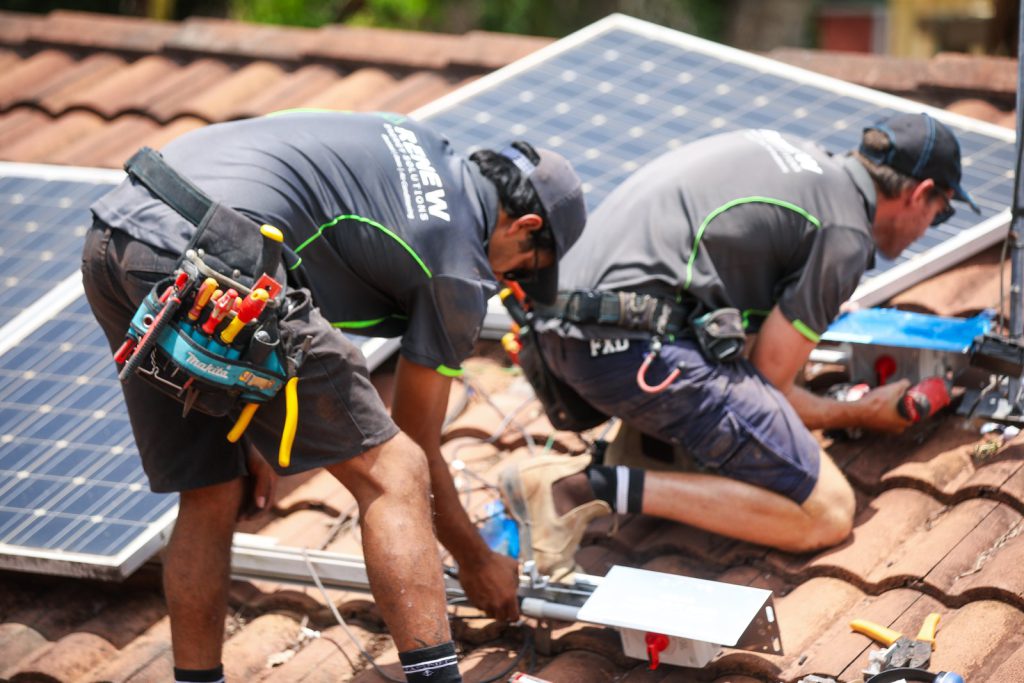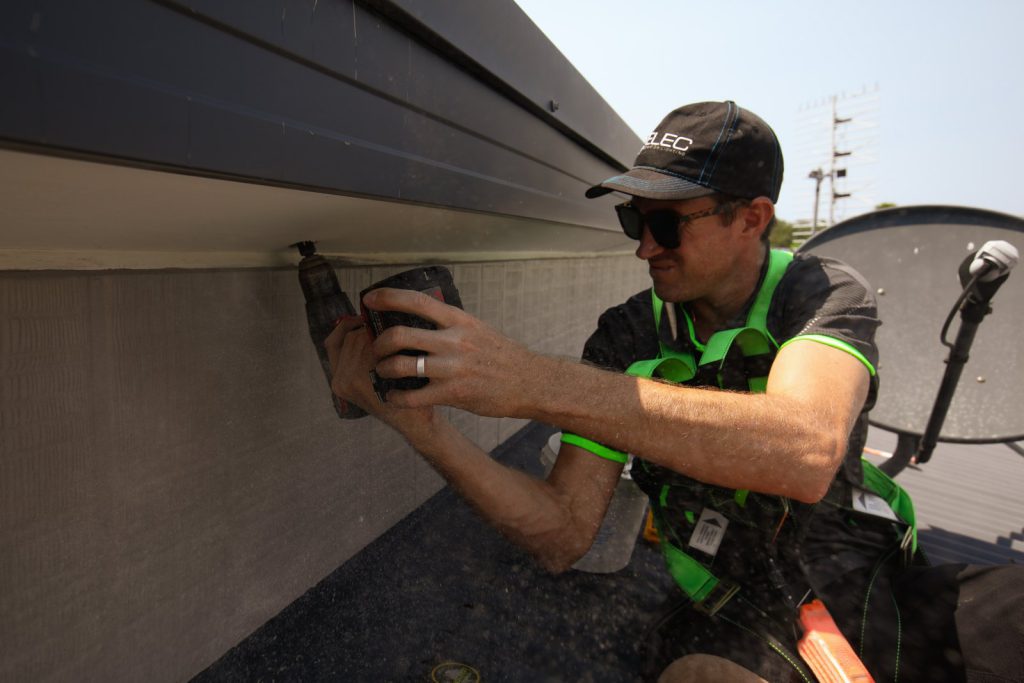
Renew Energy Solutions designed and installed a complete off-grid solar and battery system for the home. A 10.45kW Jinko solar array charged an 18kWh Sigenergy battery through a 10kW Sigenergy hybrid inverter, with a Sigenergy Gateway managing the off-grid supply and backup functions. The result was a fully independent home with the everyday electrical comforts people expect from a suburban house.
The project at a glance
Location: Como, near Kin Kin, Noosa Hinterland QLD
Project type: Residential fully off-grid solar and battery system
Solar: 22 Jinko 475W panels, 10.45kW total
Inverter: Sigenergy 10kW hybrid battery inverter
Battery: Sigenergy 18kWh battery stack
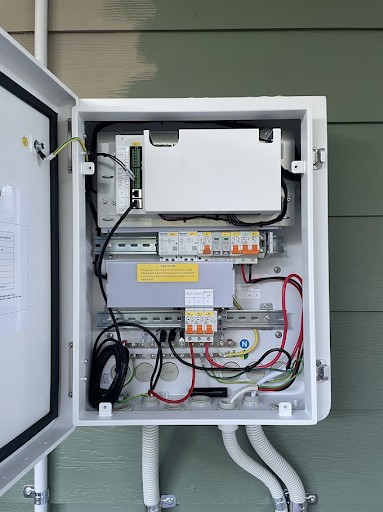
Energy management: Sigenergy Gateway and backup box for off-grid operation
Power source: Solar and battery only, with no mains connection
The brief
The homeowner lived on a rural property without mains power. They wanted to stay in that location without giving up the everyday comforts of a suburban home, which meant a system that could serve as the property’s primary power source, not a backup to something else.
That made it a different job from a standard grid-connected installation. On a connected home, the network absorbs the occasional bad day. Here, the solar array, battery, inverter, and gateway were the entire supply, so each had to work with the others. We started with how the household used power. An off-grid job leaves very little room for guesswork.
We also had to commission and test the system properly before the homeowner relied on it. With no utility supply behind it, the house had nowhere else to draw from if something went wrong at handover.
What we did
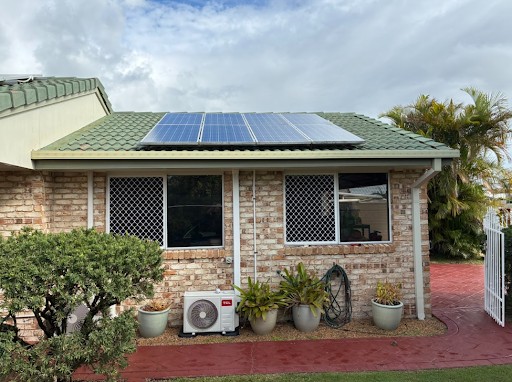
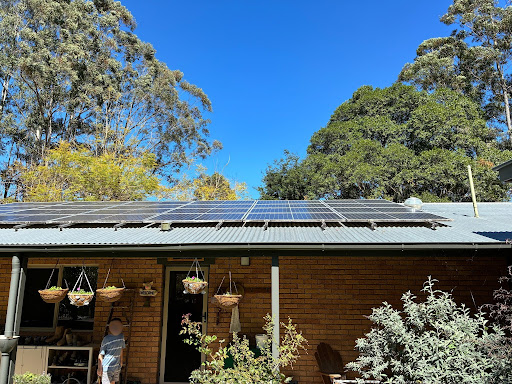
We started with generation. Our team installed 22 Jinko 475W Tier 1 mono panels on the roof, which made a 10.45kW array. Jinko is one of the panel brands we install across our solar panel installation work, and the full list of equipment we support is on our products we support page.
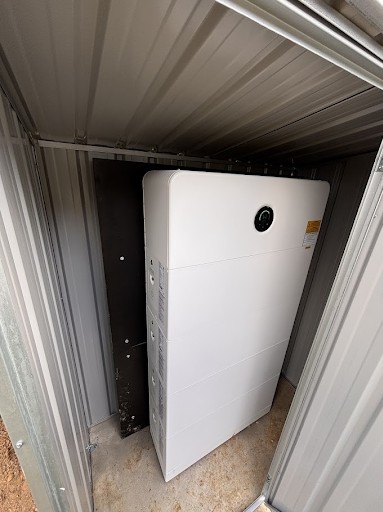
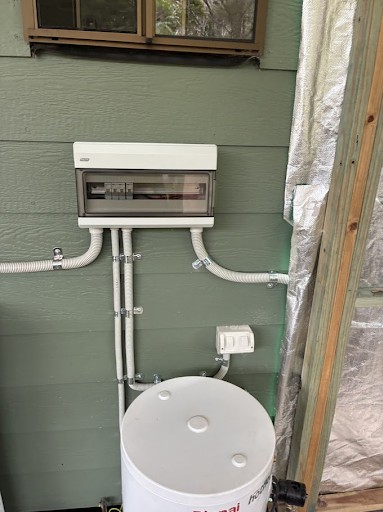
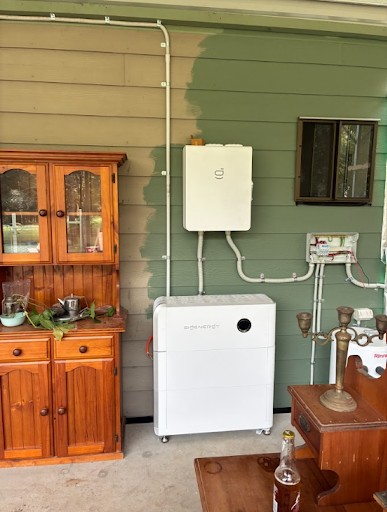
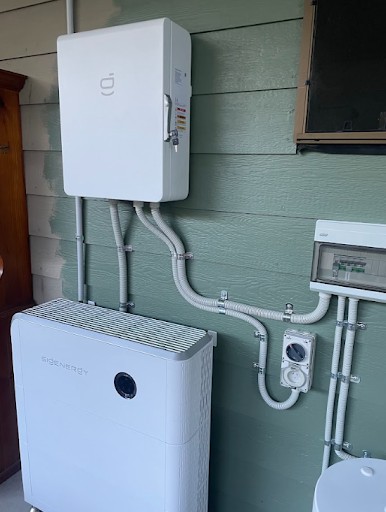
Next came storage and power conversion. We fitted an 18kWh Sigenergy battery stack and a 10kW Sigenergy hybrid inverter. In an off-grid home, the inverter does more than convert solar output. It also charges the battery and supplies the house, so its size and compatibility with the battery matter as much as the panel count. We pair batteries with inverters from the same brand, and our battery storage page explains how that works.
The last piece was the Sigenergy Gateway, a backup box that managed the home’s off-grid supply and backup functions. Independent reviewers have noted that Sigenergy systems can run off-grid when they are sized correctly and installed with the Gateway, so it was a core part of this design rather than an add-on. SolarQuotes’ Sigenergy review covers the product in more detail.
Once everything was in place, we commissioned and tested the whole system so the homeowner could start using it with confidence. Renew Energy Solutions handled the job from design through to commissioning, so there was one team accountable for how the system performed on the day.
The outcome
The home has run fully off-grid since handover. There was no utility supply behind it, so the team commissioned and tested the system as one package before the homeowner started relying on it. The Sigenergy Gateway managed the home’s off-grid supply and backup functions, and the house ran from solar and battery alone.
The homeowner was able to keep the rural lifestyle without giving up any of the everyday comforts. This was an existing house, not a new build, so the system went in around a home that was already built. The finished installation was clean, modern, and self-sufficient, purpose-built for a home with no grid access.
Why the off-grid design mattered
Panels tend to get the attention, but in an off-grid home the battery, inverter, and gateway carry as much weight. Solar only generates in daylight, and the household still needs power at night and on overcast days. The battery covers that gap, and the inverter and gateway decide how reliably the supply reaches the house.
Not every rural property has to go off-grid. Some can connect to the network, while others, like this one, have no mains supply. The right answer depends on the property, the electricity distributor’s requirements, and what the owner wants from the system. Our Coes Creek case study shows the opposite situation, where the grid supply itself needed upgrading before the solar and battery could go in.
Because a home like this depends on its system every day, local support matters too. Our team services and supports the systems we install across the Sunshine Coast and surrounding areas, and the Clean Energy Council publishes design and installation guidelines on how solar and battery systems should be put together.
Frequently asked questions
Can a home run entirely off-grid on solar and battery?
Yes, when the system is designed for it. The panels, battery, and inverter must match how the home uses power, including evenings and cloudy days. A design that looks fine in summer can struggle in a wet week, so ask how the proposed system handles low-sun periods and whether a backup generator is part of the plan.
Why does this system have 10.45kW of panels and a 10kW inverter?
The panel rating is the combined capacity of the 22 Jinko 475W panels. The inverter rating is its power output. The two figures do not need to match, because panels rarely produce their full rated output for long and the inverter is sized for the design of the whole system.
What does 18kWh of battery storage mean?
Kilowatt-hours (kWh) measure stored energy, and kilowatts (kW) measure how quickly power is used or supplied. An 18kWh battery stores up to 18 kilowatt-hours of energy. How long that lasts depends on what the home is running, because a 1kW load uses 1kWh per hour.
What does the Sigenergy Gateway do?
On this project, it managed the home’s off-grid supply and backup functions alongside the inverter and battery. Off-grid operation with Sigenergy equipment relies on the Gateway being installed, so it is part of the core system. Ask us exactly which circuits and loads it controls in your design.
Will an off-grid system run everything in the house?
That comes down to the design. Large loads such as air conditioning, cooking appliances, and water pumps put heavy demands on an off-grid system, so you should discuss them before choosing equipment. Please tell us what you plan to run, and we will explain what the system can support.
How much does an off-grid solar and battery system cost?
It depends on the home’s energy use, the equipment you choose, site access, and the electrical work involved. We assess the property and give you a clear written quote so you can see exactly what is included before you decide.
Planning a similar upgrade?
Every property is different, so we start with the site and what you want to power. Whether you are looking at an off-grid home, a battery added to existing solar, or a full solar and electrical upgrade, Renew Energy Solutions can plan the work with you. Call us on +61 495 104 430 or request a quote below.