Instead of adding equipment one piece at a time, we planned the solar array, battery, and EV charger as one system from the start. It was a big system for a home, so most of the work was in the planning. Here is what went in and how we approached it.
The project at a glance
Location: Buderim, Sunshine Coast, Queensland
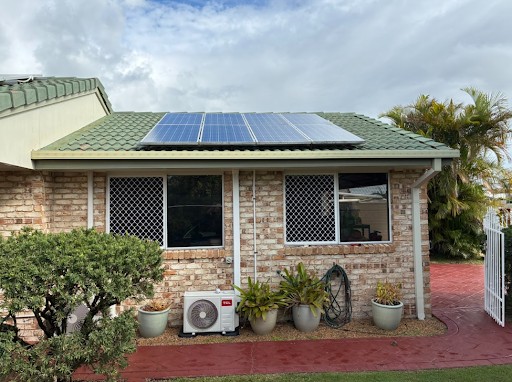
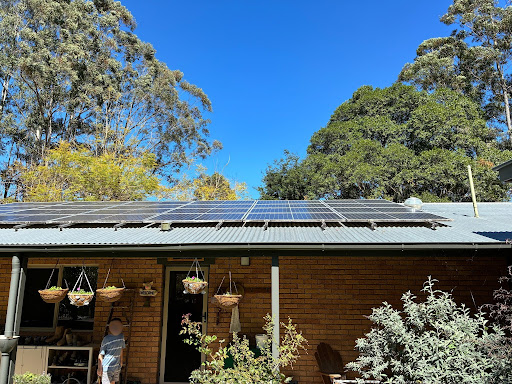
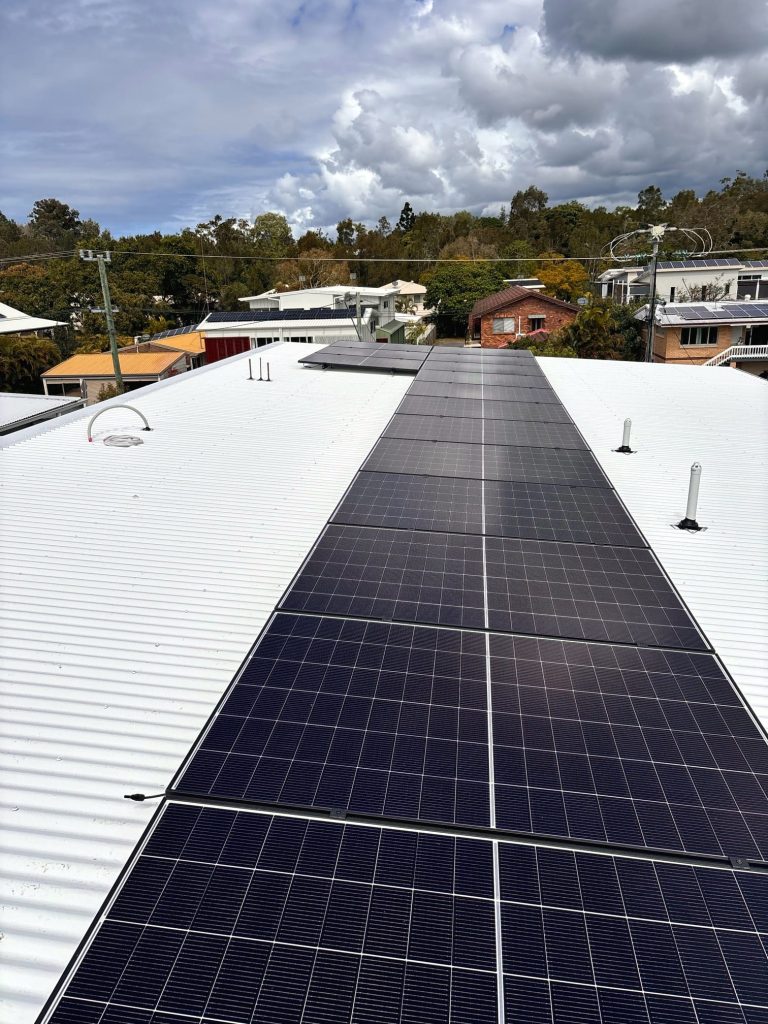
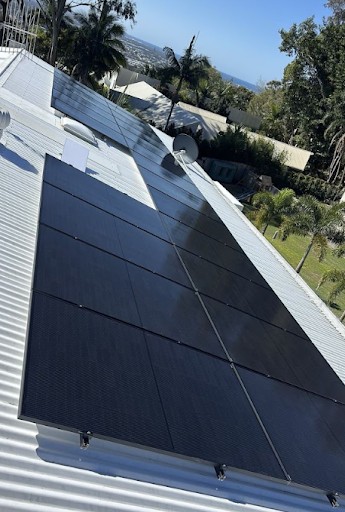
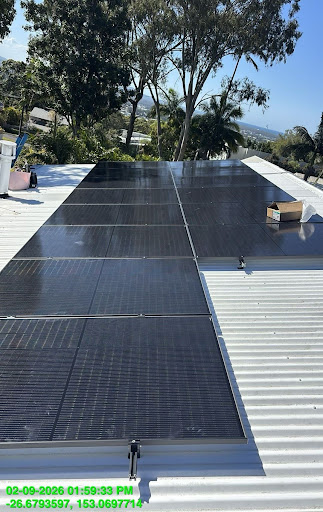
Solar: 37 x Jinko 475 W Tier 1 mono panels – 17.58 kW total array
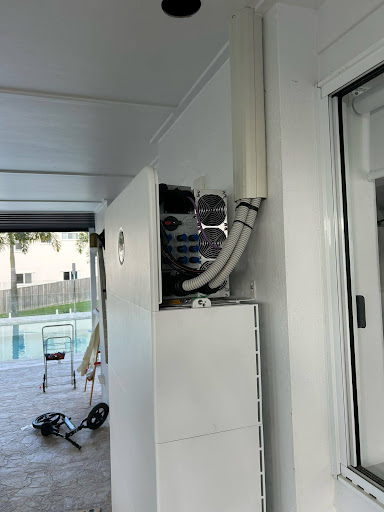
Battery inverter: 1 x GoodWe ESA 30 kW three-phase battery inverter
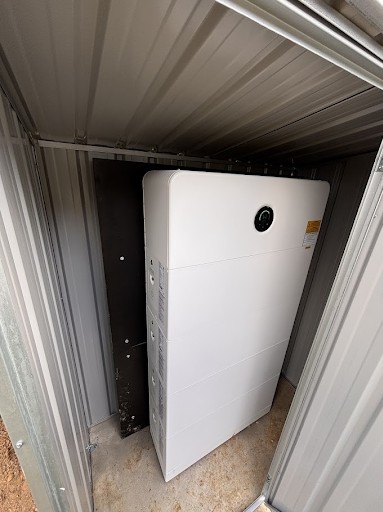
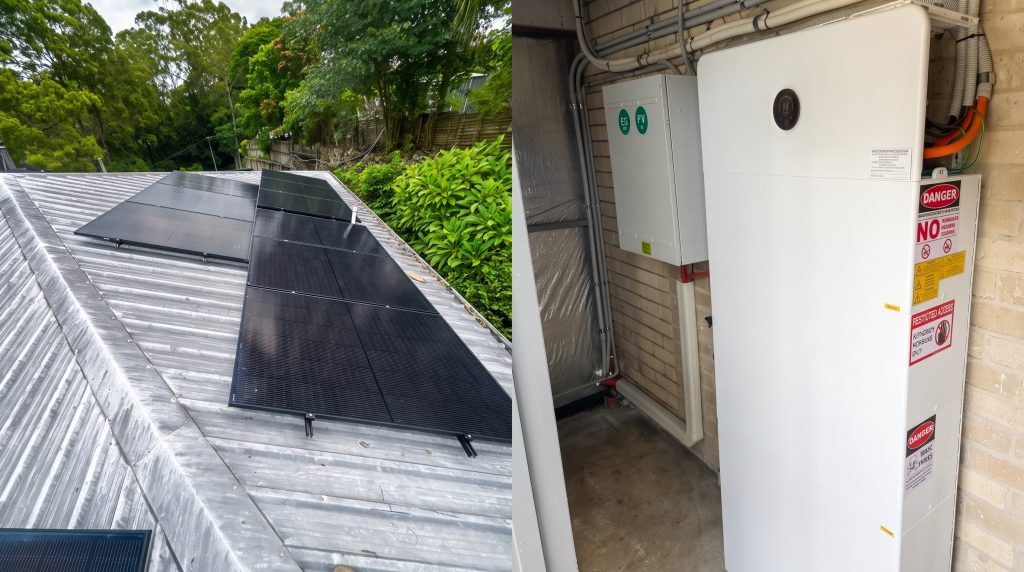
Battery storage: 40 kWh GoodWe battery stack
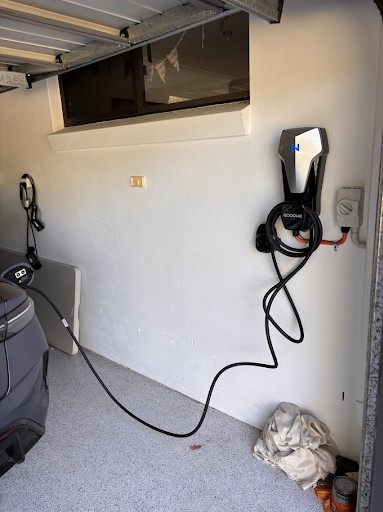
EV charging: 1 x GoodWe 22 kW three-phase EV charger
Monitoring: GoodWe smart metering with Wi-Fi wireless monitoring
Roof / balance of system: Tin-roof mounting rails and fixings, cabling, isolators and associated installation hardware
Network approvals: Energex and electricity retailer connection documentation
What We Installed
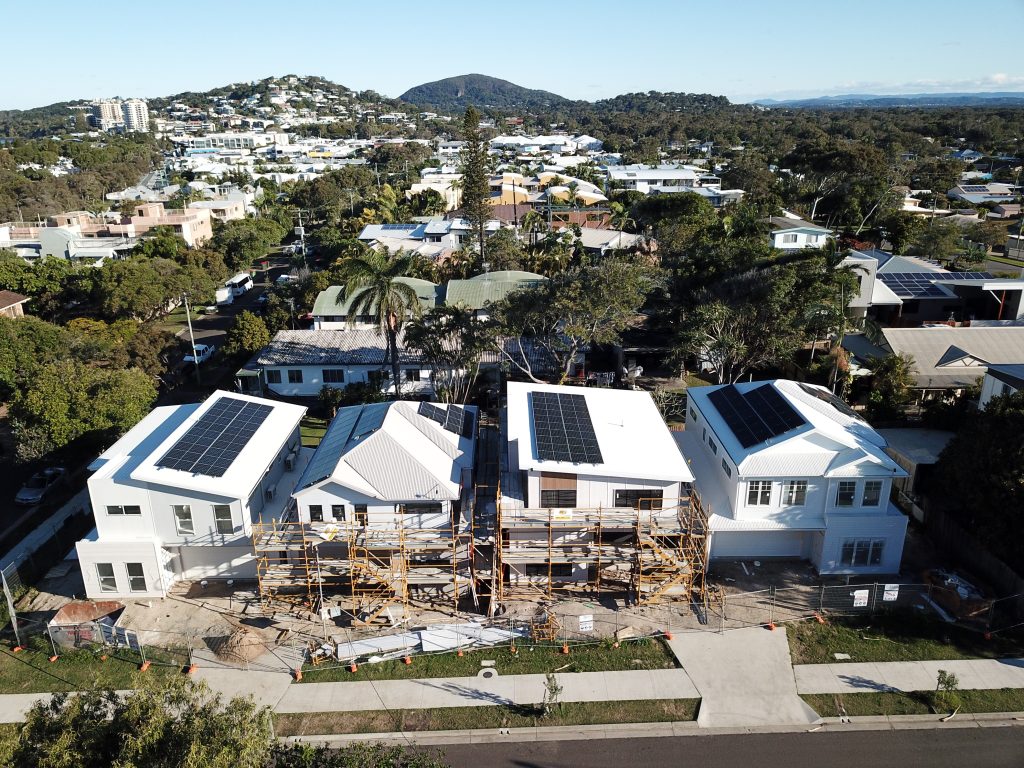
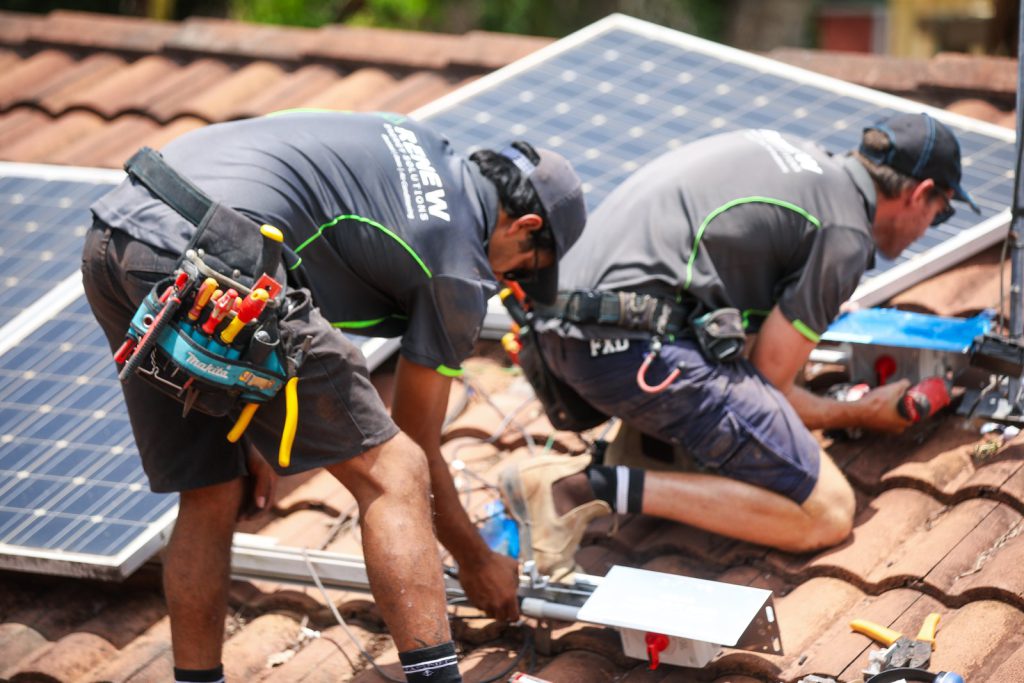
The 37 Jinko 475 W panels brought the array to 17.58 kW in total, laid out across the tin roof. We chose mounting rails and fixings to suit the roof, planning cable routes back to the inverter before installation began.
Tier 1 is a bankability ranking for panel manufacturers, meaning lenders and financiers regard them as reliable. It is not a performance guarantee, so exact equipment and warranties are always set out in the written quote.
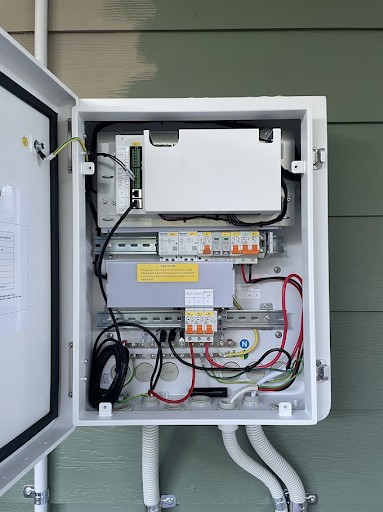
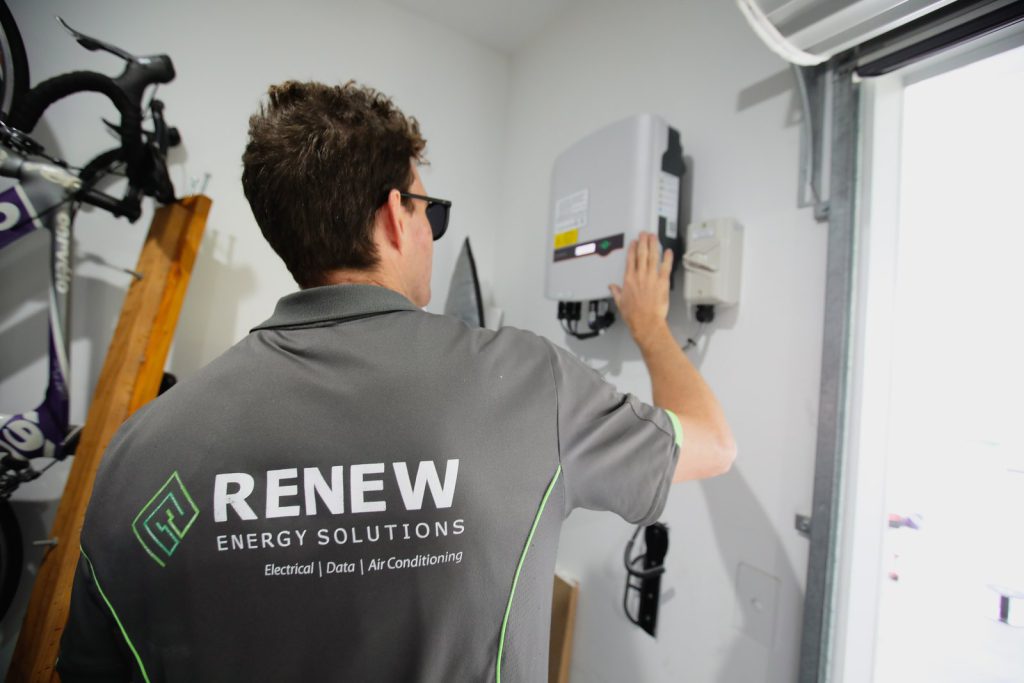
Inside, the GoodWe ESA inverter managed energy flowing between the panels, the battery stack, the house and the grid. We paired the GoodWe inverter with GoodWe batteries so the two work together without compatibility issues. GoodWe smart metering with Wi-Fi wireless monitoring let the owners track solar production and household energy use.
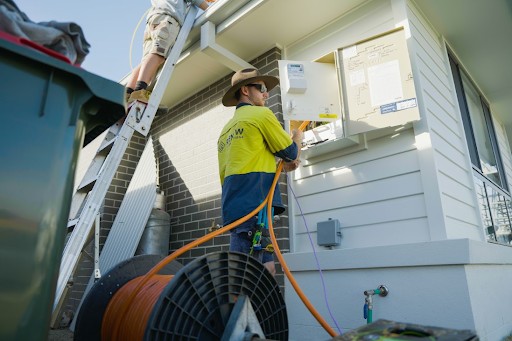
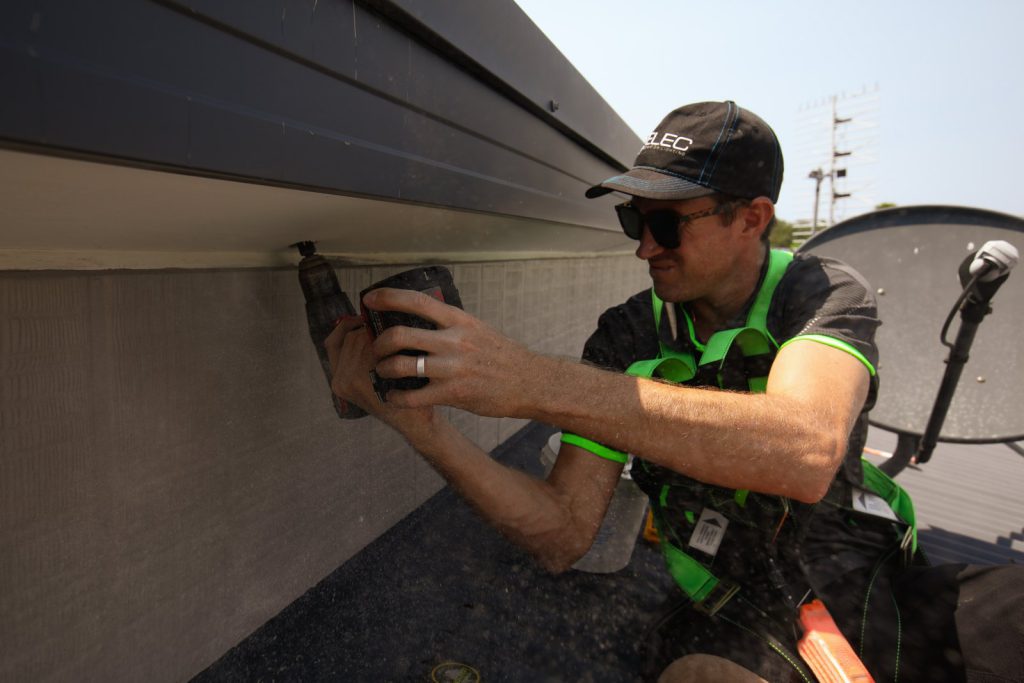
The job also covered the cabling, isolators, and other hardware that holds a system like this together. None of it is glamorous, but a future electrician will rely on it when the system needs servicing. Jinko panels and GoodWe ESA systems are both part of the range we install, and the full list is on our Products We Support page.
Sizing the System to Fit
We sized the array around the battery and the EV charger, since both can take in a lot of energy. There is little point fitting a large battery and a fast charger to a system that cannot keep them fed.
The system was designed so the home could run mainly from solar through the day and store excess generation for use at night. The aim was to keep more of the home’s energy use behind the meter, meaning more of the power the house uses comes from its own system rather than the grid.
kW and kWh: What the Numbers Mean
Kilowatts (kW) measure power, which is how much the inverter can deliver at any moment. Kilowatt-hours (kWh) measure energy, which is how much the battery can store. A large inverter paired with a large battery was what let this home run several heavy loads at once and keep going into the evening. When you compare quotes, check both numbers, because a battery with a large kWh figure and a small inverter will still limit what you can run at once.
Why Three-Phase Matters Here
Three-phase supply splits load across three conductors instead of one. This home’s battery inverter and EV charger were both three-phase units, and a typical single-phase home charger tops out at roughly 7 kW, so a charger rated well above that needs a three-phase connection.
Not every house starts three-phase. Our Coes Creek case study covers a home that needed its electrical supply upgraded before the system could go in.
The local distributor sets network rules for equipment like this, so Energex approval was part of the plan from the start. Energex publishes its connection requirements for solar and battery customers.
Charging at Home
The GoodWe charger supported AC charging across all three phases. Its rating is the most it can deliver, but the rate a car actually accepts depends on its onboard charger. Many EVs take less than the charger can supply, so the owner’s vehicle sets the real charging speed.
Because the charger sits on the same system as the solar and the battery, the owners could charge from solar during the day. That matters, because a car that accepted the charger’s full rating would draw more than half the battery’s capacity in a single hour. Charging while the sun is up keeps that load off the battery. If you are choosing a charger for your own home, check what AC rate your car accepts before paying for a higher rating.
What Backup Means in Practice
Backup power is one of the most misunderstood parts of a battery system. A battery only backs up a home when the system is designed and configured for it, so you must agree on the circuits it supports, the equipment, and the operating limits before installation.
Once that is done, how long the battery lasts in an outage depends on what is running. Lights, fridges, and the internet router draw very little, while an oven, air conditioning, or an EV charge can use stored energy quickly. That is why we talked through backup expectations before the install instead of after it.
Planning the Installation
The main challenge on this job was scale. The home needed a three-phase system that could coordinate a 37-panel array, a large battery stack and a 22 kW EV charger, so equipment locations, cable routes, metering and protection all had to be worked out before the install. The tin roof set the mounting method, and the available roof space set the panel layout.
Network approval was part of the job too. We completed the Energex and electricity retailer connection documentation, and the system went in with smart metering and Wi-Fi monitoring so the owners could see what the system was doing.
How We Work and What It Costs
We began with the owners’ questions. We assessed the site, explained the practical options, and provided a clear written quote for the proposed work, equipment, and inclusions. Once we agreed on the scope and timing, we installed, tested, and explained the system and the support available afterwards.
Incentives are worth asking about early. Eligible battery installations may qualify for small-scale technology certificates, and the amount varies with the system and installation date. We check the current requirements on each job and show any eligible discount in the quote. Our Cheaper Home Batteries Program page has the details, and the Clean Energy Regulator publishes the official rules. Finance options are also available, subject to lender approval.
Thinking About a Similar System?
This project showed what is possible when solar, battery storage and EV charging are designed together from the start rather than added on separately. The result was a home running mostly on its own energy, with the car fuelled largely by the sun. If that is the outcome you are after, the planning process is where it starts.
Every system we design starts with how the household uses energy. If you are weighing up solar, battery storage or home EV charging, think about when you use the most power, whether the car is usually home during the day, and what you want the battery to do. You can see more of our work on the case studies page.
Explore our solar panel installation, battery storage and EV charger services, or contact Renew Energy Solutions for a free quote. If you are comparing installers, the Clean Energy Council lists accredited installers. We are a licensed electrical contractor, licence EC82306.