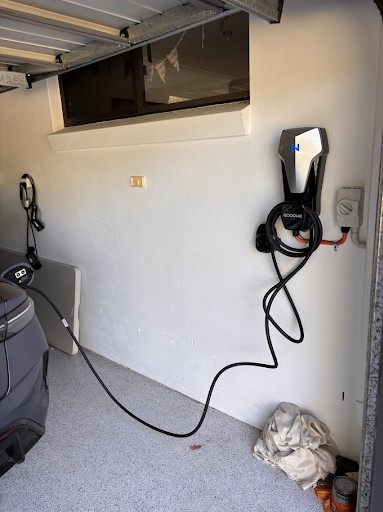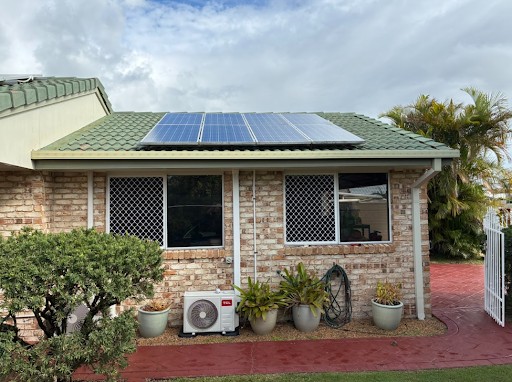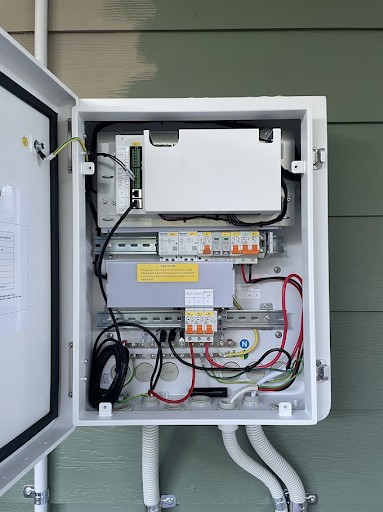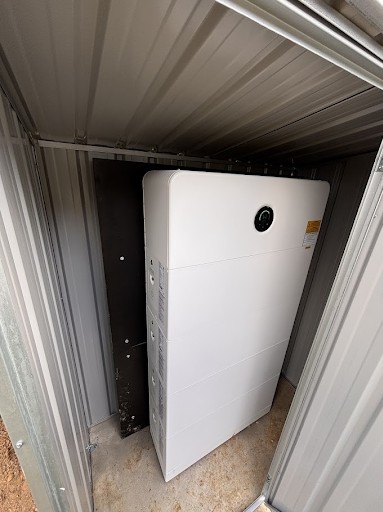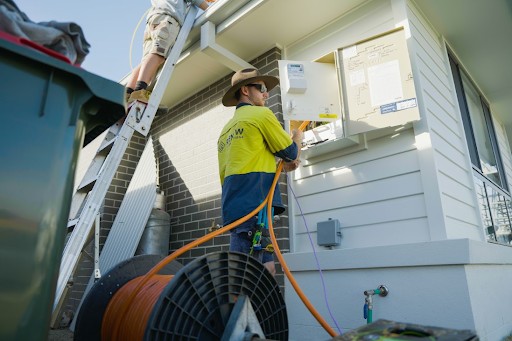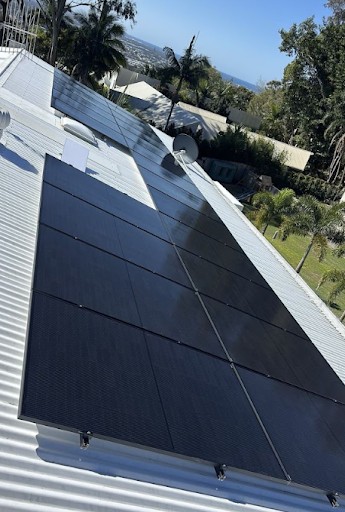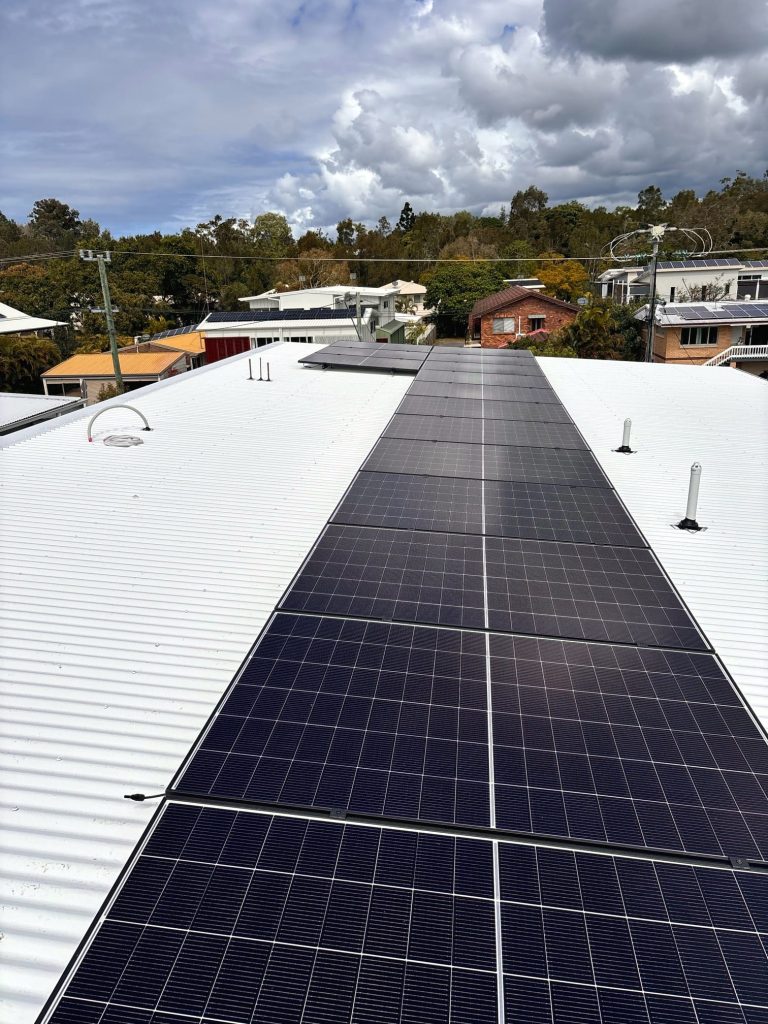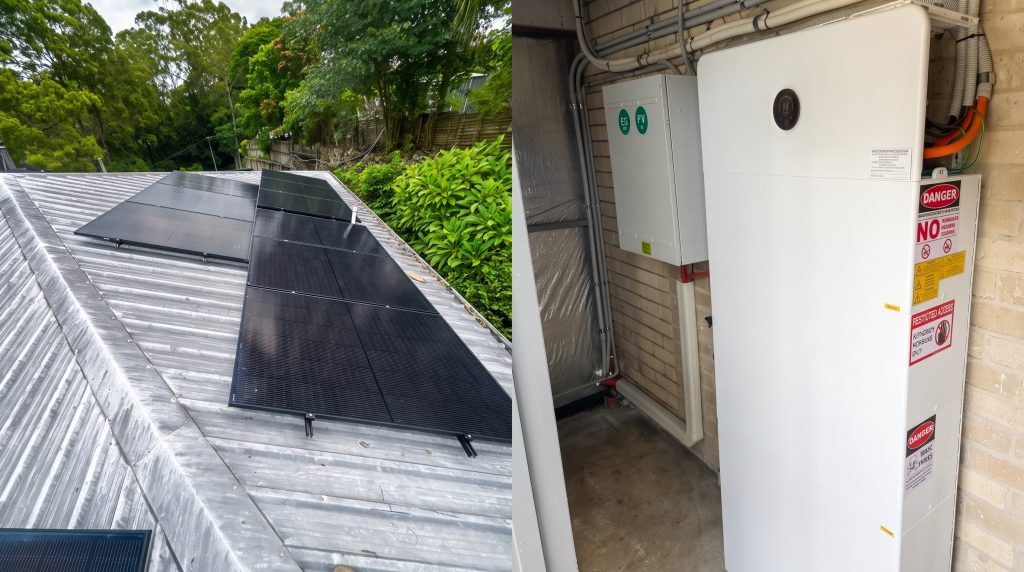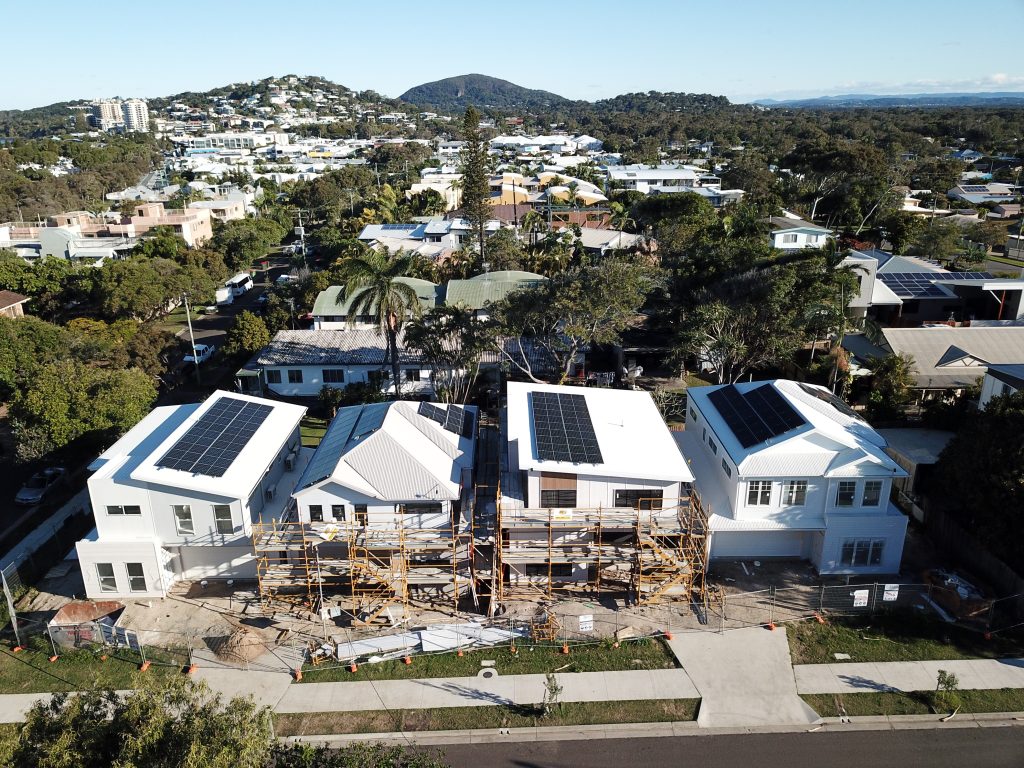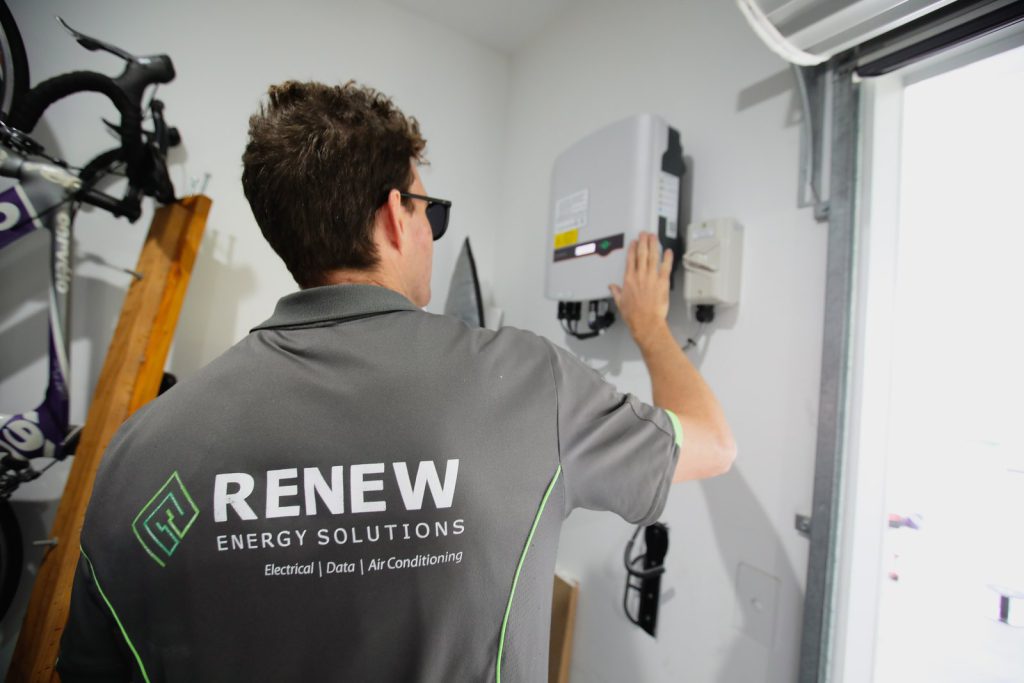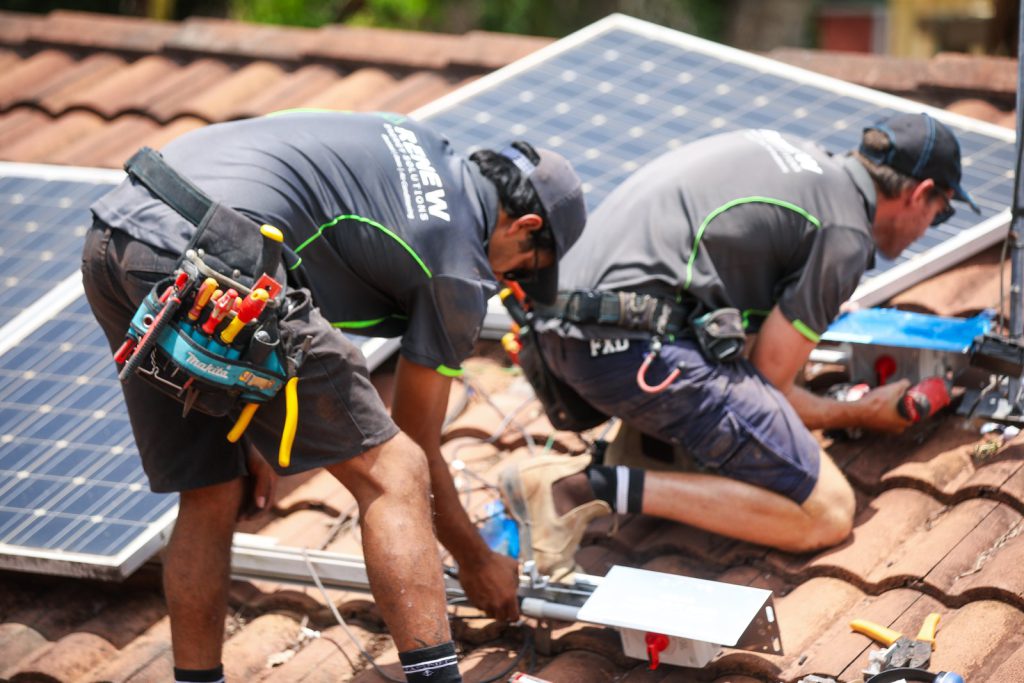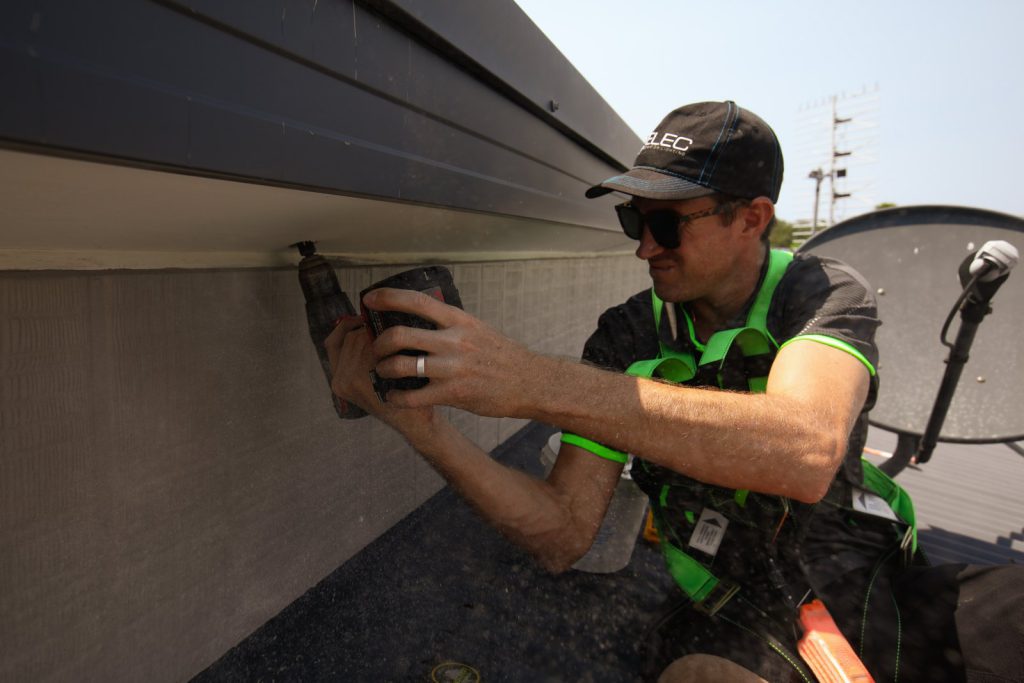
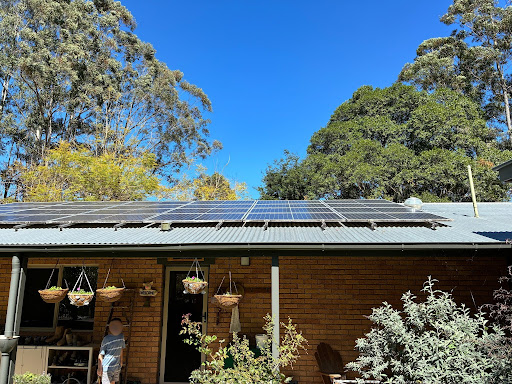
We built the shed, then installed 13.3kW of Jinko solar, a 10kW GoodWe ESA battery inverter and 32kWh of GoodWe battery storage. We also fitted a hot water timer, removed the controlled-load tariff and added a second changeover so the new system could work with the property’s existing generator setup. The result was a tidy, organised installation with the equipment in one place and the house left uncluttered.
The project at a glance
Location: Black Mountain, Noosa Hinterland QLD
Project type: Residential solar and battery installation with a purpose-built standalone energy shed
Solar: 28 Jinko 475W Tier 1 mono panels, 13.3kW total
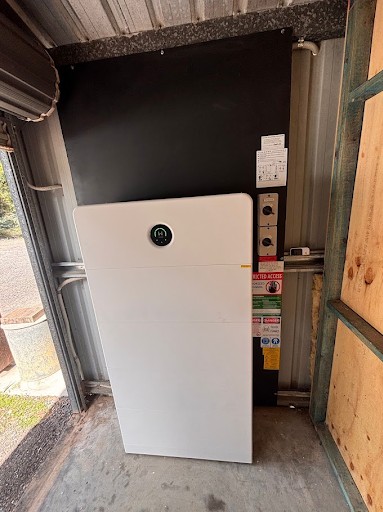
Inverter: 10kW GoodWe ESA single-phase battery inverter
Battery: Four GoodWe ESA battery modules, 32kWh total
Other works: Standalone shed, hot water timer with controlled-load tariff removed, second changeover for the existing generator setup
The brief
This was a residential solar and battery installation built around a clear goal from the client: a substantial renewable energy and storage system, with none of the major equipment touching the house. The owner had already decided they wanted the inverter, batteries and electrical gear in their own dedicated space. Our job was to design a system that made that work properly, not just put equipment in a shed.
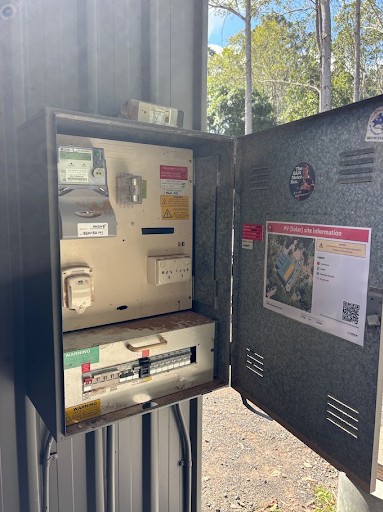
Putting the system in its own building sounds simple, but it changes how the whole job fits together. The main meter was located at the shed, while the hot water circuit stayed at the main house. The property also already had a generator with its own changeover arrangement. Those three details meant we couldn’t treat the work as a standard roof- and wall-mounted battery job. We had to plan everything across two locations, and the new system had to sit alongside what was already on site.
What we did
We started with the shed itself, building a purpose-made standalone structure to house the solar and battery equipment away from the main residence. Planning the energy hub as its own space meant we could lay out the equipment properly from the start, instead of squeezing it into a spot never designed for it.
On the solar side, we installed 28 Jinko 475W Tier 1 mono panels, which made a 13.3kW array. For power conversion and storage, we fitted a 10kW GoodWe ESA single-phase battery inverter and four GoodWe ESA battery modules, giving 32kWh of total storage. Jinko panels and GoodWe ESA batteries are both part of the range we install, and the full list is on our products we support page.
Hot water needed attention too. We installed a hot water timer and removed the controlled-load tariff. Because the hot water circuit stayed at the main residence while the main meter was at the shed, we needed careful coordination between the two locations.
The generator was the last piece. The client already had a generator changeover arrangement, so we added a second changeover to integrate the new system with the existing generator setup, rather than replacing what was already there.
We came to this project as a licensed electrical contractor (EC82306) and solar and battery installer. On a job like this, where the electrical work and the energy equipment are tied together, having one team plan both sides of it from the start made a real difference.
The outcome
Everything the property needed now lived in one purpose-built shed, with the house left alone.
The practical win was organisation. The major solar and battery equipment sat together in one location, separate from the home, and the house itself was left uncluttered. Anyone who has seen inverters, batteries and isolators scattered across a garage wall will know why that is worth planning for.
Why the standalone energy shed mattered
The shed was the biggest point of difference on this job, and it changed the design more than you might expect. When you add solar and battery equipment to the house, the meter, switchboard, hot water, and new gear usually sit within a few metres of each other. Split them across two buildings and every connection becomes a decision. Where does the supply come in? Where do the loads sit? How do the shed and the house work together as one electrical system?
At Black Mountain, the main meter was in the shed, placing the energy hub at the centre of the property’s supply. The hot water circuit stayed at the house. That was why the hot water timer and the removal of the controlled-load tariff had to be planned along with the rest of the system, not left until the end.
The generator changeover was the other piece. A changeover prevents different power sources from being connected to the same circuits at the same time. On this property, adding solar and battery storage meant those sources had to be properly isolated from the existing generator which was why the job included a second changeover alongside the one already there.
A separate shed wasn’t the right answer for every property, but it suited this site. There was room for it, the owner wanted the equipment away from the house, and the electrical layout could be planned around it from the start rather than retrofitted. If you are weighing it up for your own property, we can assess the site, the meter position and what is already installed before recommending anything. Our solar panel installation and battery storage pages explain how we approach the design.
Frequently asked questions
Why build a separate shed for solar and a battery?
Not every home needs one. A shed keeps the inverter and batteries away from the house and puts everything in one place, but it adds a building, extra cabling and coordination between locations. Whether it suits you depends on your site, your meter position and how you want the house to look and feel.
Why are there 13.3kW of panels and a 10kW inverter?
The panel rating is the combined capacity of the 28 panels. The inverter rating is its AC power output. The two figures can differ because panels rarely produce their maximum output for long, and the system still has to meet network limits. As the network operator, Energex limits a fixed single-phase connection to 10kVA of total inverter capacity, and larger combined systems need a dynamic connection. Energex explains the details on its dynamic connections page.
What does 32kWh of battery storage mean?
Kilowatt-hours (kWh) measure stored energy. Kilowatts (kW) measure how quickly power is used or delivered. The system has four GoodWe ESA battery modules, giving 32kWh of storage capacity, with a 10kW inverter controlling how fast that energy can flow in or out.
Will the battery keep the house running in a blackout?
That depends on the inverter, the backup wiring, the system settings and which circuits are connected. Ask what backup is included in the proposed design rather than relying on battery size alone. If you already have a generator, ask how it is isolated from the solar and battery system.
Why remove the controlled-load tariff and fit a hot water timer?
On this job, the hot water circuit stayed at the main residence, so we installed a timer and removed the controlled-load tariff. A timer lets you schedule when the hot water system heats, which can suit a home with solar and battery storage. Whether the change makes sense for you depends on your tariff, your usage and your retailer, so check before you switch.
Will solar and battery storage reduce power bills?
They can reduce grid electricity purchases when the system matches the home’s usage. Actual savings depend on electricity use, tariffs and how the battery is operated.
Planning a similar upgrade?
Every property is different, so we start with the site you have and the system you want. Whether you need solar, battery storage, a switchboard upgrade or a purpose-built energy shed, Renew Energy Solutions can plan the electrical work and the installation together. You can see how we handled a different challenge in our Coes Creek three-phase case study, or contact us to talk through your own project.